If you are thinking about buying new construction in Boston’s Seaport, it is easy to get drawn in by sleek renderings, polished model units, and resort-style amenities. But in a neighborhood that is still actively taking shape, the smartest buyers look beyond the sales gallery. Knowing what to ask before you sign can help you protect your budget, your timeline, and your long-term enjoyment of the home. Let’s dive in.
Why Seaport buying is different
Boston’s South Boston Waterfront, often called the Seaport, has changed quickly from industrial land into a major mixed-use district with housing, offices, retail, and public spaces. According to the Boston Planning & Development Agency neighborhood overview, the area’s population grew 195% and its housing units grew 327% from 2010 to 2020.
That growth is part of the appeal, but it also creates a different buying environment than you might find in a fully built-out neighborhood. When you buy in Seaport, you are not just buying a unit. You are often buying into an evolving block, street, and waterfront setting that may continue to change after your closing.
The broader development picture matters here. The Seaport Square planning documents and BPDA updates show a large, multi-block project with millions of square feet of planned development and thousands of residential units. A current filing for Block M at 145 Seaport Boulevard alone lists 717 condo and rental units plus 125,000 square feet of retail.
Expect the neighborhood to keep changing
This is one of the most important mindset shifts for Seaport buyers. Your water view, daylight, traffic flow, nearby noise levels, and street activity can all be affected by future phases of nearby construction.
That does not make buying here a bad idea. It simply means you should ask better questions. If a sales team describes a view, open space, or quiet corner, make sure you understand whether that condition is permanent, likely, or still subject to future development around the site.
Check transportation and daily access
Seaport’s location is a major draw for many buyers because of its connection to downtown Boston and regional travel. The BPDA neighborhood page notes access to I-90, the Silver Line, and MBTA bus service, with Logan Airport and South Station just a Silver Line stop away in each direction.
For you, that means convenience can be real, but building location still matters within the neighborhood. A home that looks similar on paper may feel very different depending on your walk to transit, your garage access, and how much construction is active nearby at any given time.
Judge the developer by local delivery
In Seaport, brand name alone should not be the deciding factor. What matters more is whether the developer has actually delivered quality homes, finished amenities as promised, and responded well to owners after closing.
Local projects show how varied the product can be. One Seaport opened with 832 residential units and a large mix of retail, dining, fitness, and entertainment uses. EchelonSeaport was built as a 3.5-acre mixed-use project with extensive amenity space, including pools, lounges, fitness areas, and valet or garage parking. Channelside is planned as a waterfront project with apartments, retail and dining space, open space, and climate-resilience features.
For a buyer, the practical takeaway is simple: ask how the sponsor has performed in Seaport, not just how the marketing looks. You want to know who handles punch-list items, how warranty claims are processed, and whether common spaces and amenities were completed on time in prior projects.
Understand pre-sale timing risks
New construction timelines can move, even in strong projects. In Massachusetts, project timing can depend on permitting, approvals, financing, environmental review, and even legal challenges, as outlined in this Mass.gov construction finance explainer.
That means your upgrade deadlines, delivery dates, and closing window may shift for reasons outside your control. Before you sign, review the purchase agreement carefully and pay close attention to any language around delays, completion dates, and what happens if the schedule changes.
If you are buying a unit before completion, ask for a clear written breakdown of what is done now, what is still pending, and when final selections must be made. Verbal estimates can be helpful, but your contract terms matter more.
Yes, you should still get an inspection
Many buyers assume a brand-new condo does not need an inspection. Massachusetts guidance says otherwise. According to Mass.gov’s residential home inspection guidance, sellers or agents must provide a separate written disclosure of the buyer’s home-inspection right before or at the first purchase contract, and the rule applies to condo units in buildings of any size.
There is a limited exemption for newly constructed homes sold before substantial completion if the seller offers at least a one-year express written warranty. Even so, Mass.gov’s buyer resources still recommend inspections on new homes because they can uncover current issues or problems that may surface later.
In practice, this supports an early punch-list approach. Inspect as soon as you are allowed, document incomplete or imperfect items, and do not assume the model unit and your unit are exactly the same.
Compare finishes line by line
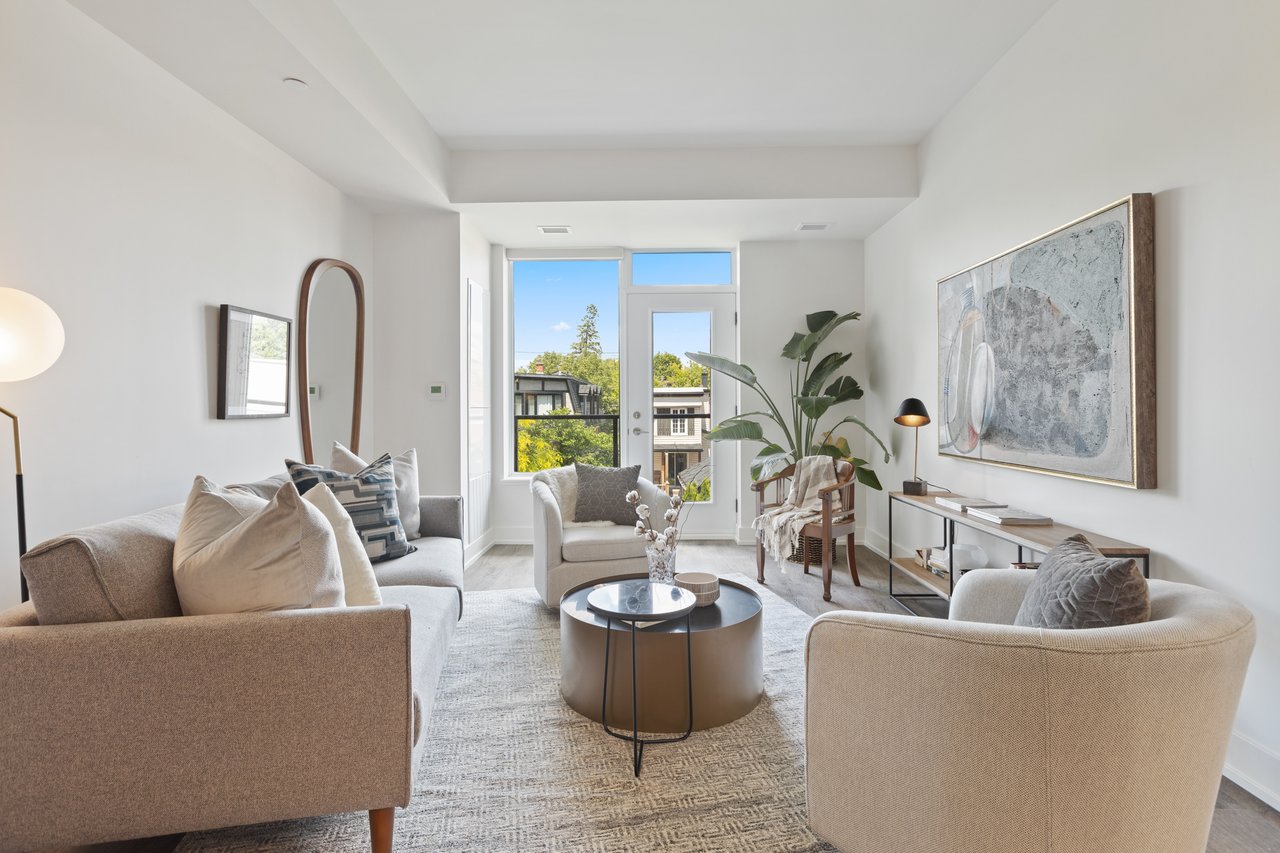
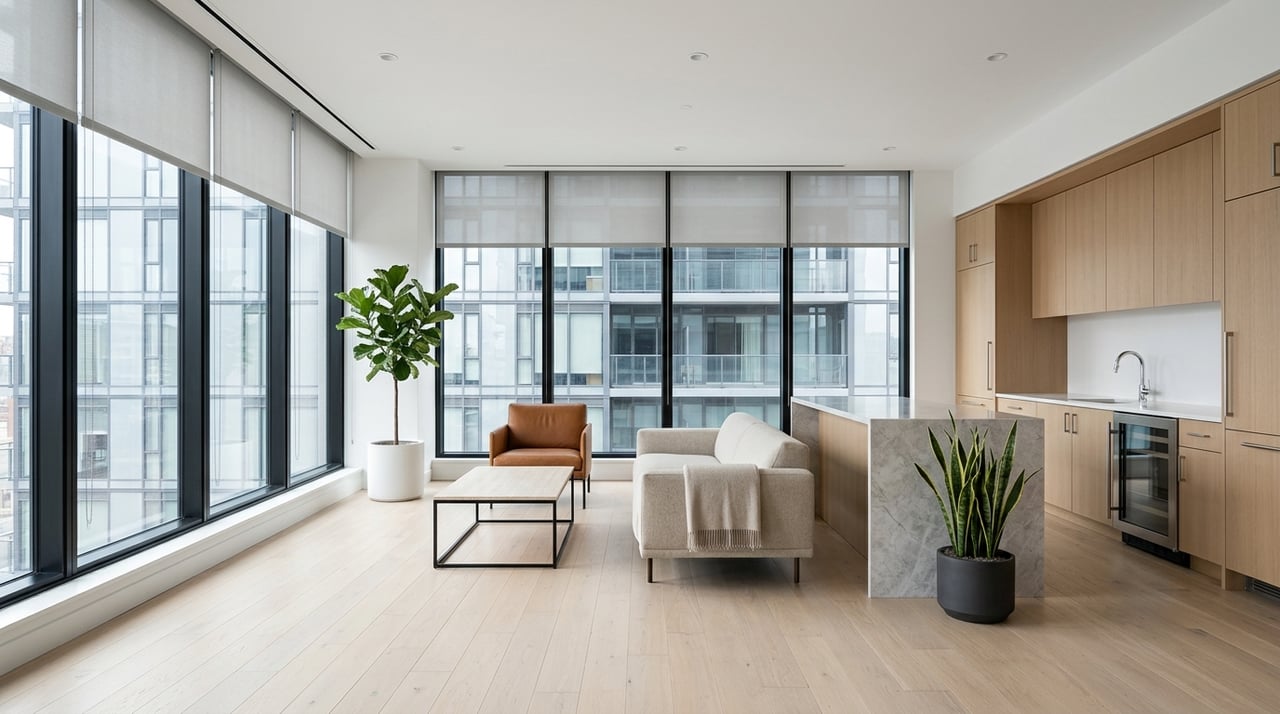
One of the easiest places for confusion to show up in new construction is the finish package. A model residence may include upgraded materials, staged lighting, or premium appliance selections that are not part of your actual purchase.
Before signing, request the finish schedule, upgrade list, and allowance sheet. Then compare those documents to your contract and the model unit line by line. This step can help you avoid surprises around cabinetry, flooring, appliance brands, storage, or other details that may have been discussed casually during the sales process.
Amenities can be great, but they raise costs
Seaport buildings often compete heavily on amenities, and that can be a real advantage if those features match how you live. Retail, dining, fitness, pools, lounges, concierge services, and parking can add convenience and support value.
But amenities are not free to operate. Projects like One Seaport and EchelonSeaport highlight just how robust these packages can be, and those offerings often affect monthly carrying costs.
Instead of asking only, “What are the condo fees?” ask a better set of questions:
- What does the current monthly fee cover?
- How much is going into reserves?
- Are there services or amenities that may increase operating costs over time?
- Has the association discussed or imposed any special assessments?
According to Mass.gov’s condominium guidance, condo fees are budget-driven and special assessments are additional charges beyond the regular budget and reserves when capital work needs funding.
Read the condo documents carefully
The condo documents tell you what you are actually buying, what you can use, and what expenses you may share. This is especially important in larger Seaport buildings where parking, storage, terraces, roof decks, and other features may be limited common elements rather than deeded in the way you assumed.
Mass.gov explains that the master deed and related condo records define common versus limited common elements, percentage interest, architectural and use restrictions, and the managing entity. Those records may also include by-laws, amendments, meeting minutes, financial records, contracts, and insurance policies.
This is where details matter. If a parking space, storage area, or outdoor area is important to you, confirm it in the governing documents and your contract, not just in marketing materials. Mass.gov also notes that condo law questions are legal in nature and should be directed to a real estate attorney with condo experience.
Ask about flood resilience directly
Because Seaport sits on the waterfront, flood design should be part of your due diligence. It should not be treated as a side topic.
The BPDA update on Seaport Square approvals notes that many future buildings were planned to sit nearly three feet above the 500-year flood elevation. Boston also continues to pursue waterfront flood-risk reduction through its broader coastal resilience work.
When you tour a building or review a pre-sale opportunity, ask how flood resilience has been addressed in the site design, mechanical placement, building access, and common areas. In a waterfront district, that is a practical ownership question.
A smart Seaport buying checklist
Before you commit to new construction in Seaport, make sure you can answer these questions clearly:
- Who is the developer, and what have they already delivered locally?
- What is included in the unit, and what costs extra?
- How do the amenities affect monthly condo fees?
- What do the reserves and budget look like?
- Are any special assessments expected or already discussed?
- What rights do you have to inspection and punch-list review?
- What happens if construction or closing is delayed?
- What exactly do you own, and what is limited common use?
- How could future nearby development affect your view, light, or noise?
- What flood-resilience measures are built into the project?
Buying new construction in Seaport can be a strong move if you go in with clear eyes. The neighborhood offers waterfront access, transit connectivity, and modern housing in one of Boston’s fastest-changing districts, but the best outcomes usually come from disciplined due diligence, not excitement alone.
If you want a thoughtful second set of eyes on a Seaport new-construction opportunity, The Loveland Group brings neighborhood knowledge, white-glove guidance, and construction insight to help you evaluate the details with confidence.
FAQs
Do I need an inspection for a new construction condo in Seaport?
- Yes. Mass.gov says Massachusetts buyers must receive written disclosure of the home-inspection right before or at the first purchase contract, and the state also recommends inspections on new homes.
Why do Seaport new construction closing dates change?
What should I review in Seaport condo documents before buying?
- Review the master deed, by-laws, financial records, insurance, and any documents that confirm parking, storage, terraces, or other use rights, as explained by Mass.gov’s condominium guidance.
How can amenities affect Seaport condo ownership costs?
- Amenity-rich buildings may offer strong lifestyle value, but they can also increase monthly condo fees and future operating costs.
Why does future development matter when buying in Seaport?
- Seaport is still being built out, so nearby construction can affect your views, daylight, noise levels, and street activity after you move in.