Ever wonder what day-to-day life on Palm Beach actually feels like? Picture warm mornings on a quiet beach, afternoons on a bike or boat, and evenings along palm-lined streets with polished shops and cafés. Whether you want a seasonal retreat or a year-round base, you probably care about lifestyle, convenience, and the real costs of coastal living. This guide breaks down how life flows on the island, what homes look like here, and the practical details you should know before you buy. Let’s dive in.
Where Palm Beach fits on the map
Palm Beach is the Town of Palm Beach, a slender barrier island just east of West Palm Beach. It is its own municipality, separate from West Palm Beach and other Palm Beach County cities. Bridges connect you to downtown West Palm Beach in minutes for dining, culture, and services.
You are also tied into the broader West Palm Beach–Boca Raton–Delray Beach metro. Miami is roughly an hour to 90 minutes by car depending on traffic. High-speed rail serves downtown West Palm Beach, which is convenient if you split time across South Florida.
Daily rhythm and weather
The climate is warm and sunny most of the year. You will notice a drier, milder season in the late fall through spring, and a hotter, more humid season in the summer. Hurricane season runs June through November, with the highest risk typically in late summer and early fall.
Everyday life leans outdoors. You might walk the beach at sunrise, cycle along oceanfront routes, play tennis or golf, or plan a casual al fresco dinner. In winter, the island feels busier as seasonal residents arrive. Off-season, the pace slows and restaurants are easier to book.
Beaches, boating, and the water
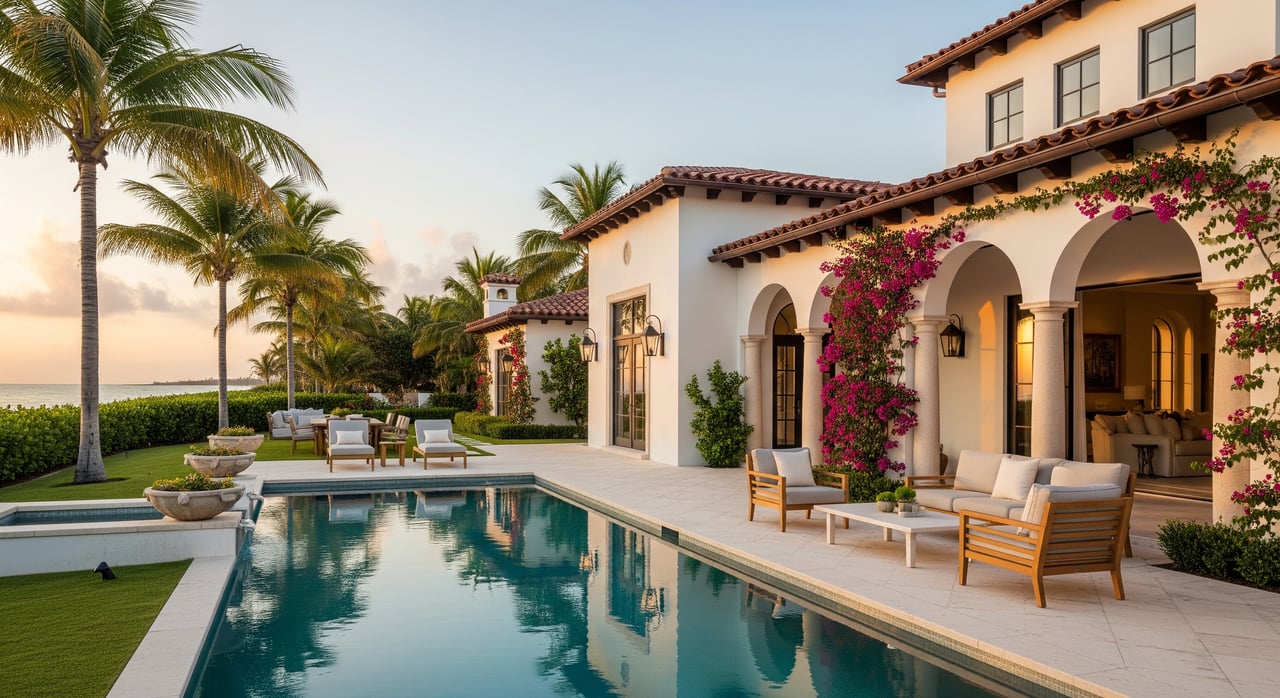
Palm Beach offers manicured public beaches along the ocean and high-end private oceanfront attached to homes or clubs. Beach culture here is refined, with beach clubs and oceanfront hotels shaping the vibe. Boating and yachting are common pastimes, and marinas on both the island and mainland support everything from center consoles to larger vessels.
Dining, shopping, and culture
Worth Avenue is the island’s showpiece. You can browse upscale boutiques, art galleries, and enjoy a lineup of fine and casual dining. Beyond the island, West Palm Beach’s Clematis Street and Rosemary Square offer a wider mix of restaurants, bars, and entertainment. In season, the social calendar fills with charity events, art openings, and nearby equestrian and polo activity in Wellington.
Getting around and access
Palm Beach has a small-town feel, and parts of the island are walkable, especially near Worth Avenue and village streets. Most residents still keep a car for groceries, appointments, or mainland errands. Palm Beach International Airport sits just across the water in West Palm Beach. Rail service and hospitals are on the mainland, which keeps essentials close without losing the island’s calm.
Housing options on the island
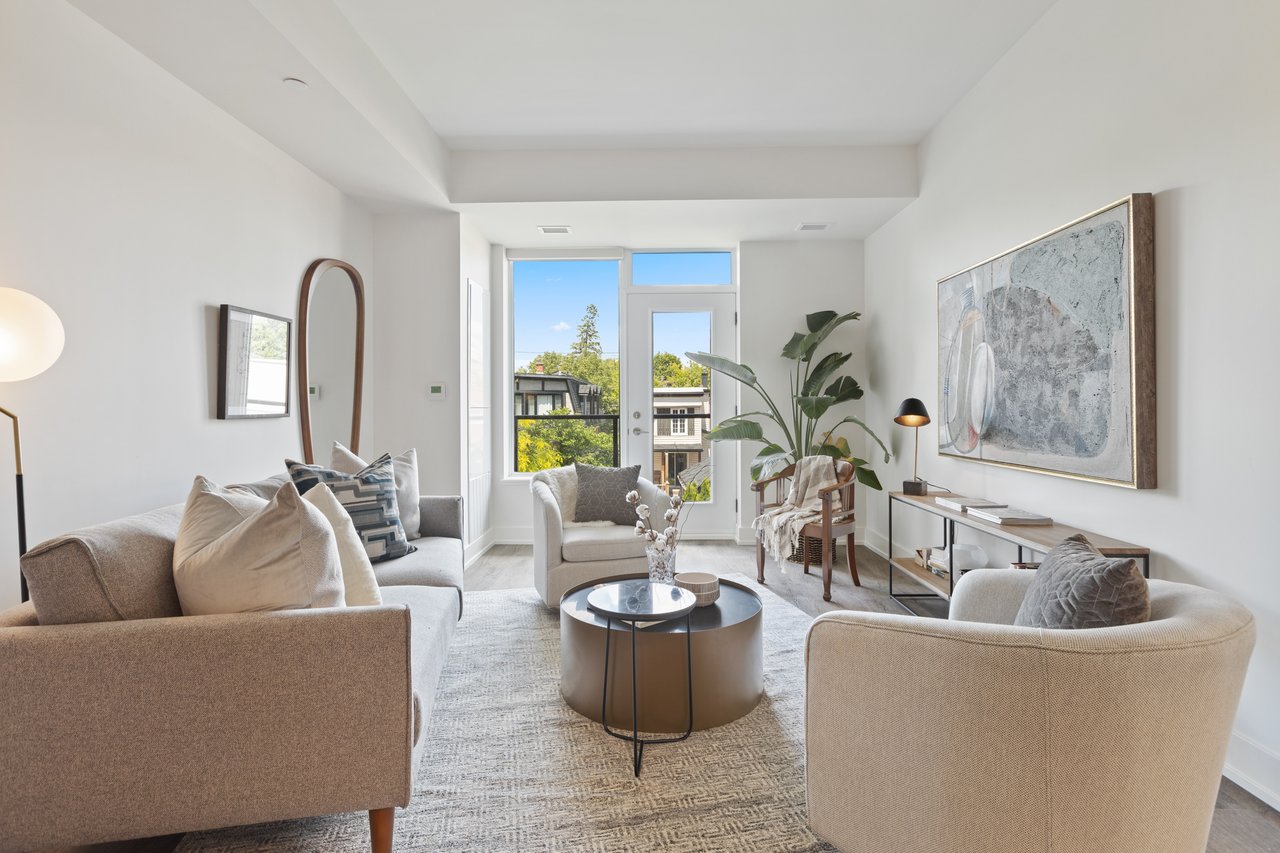
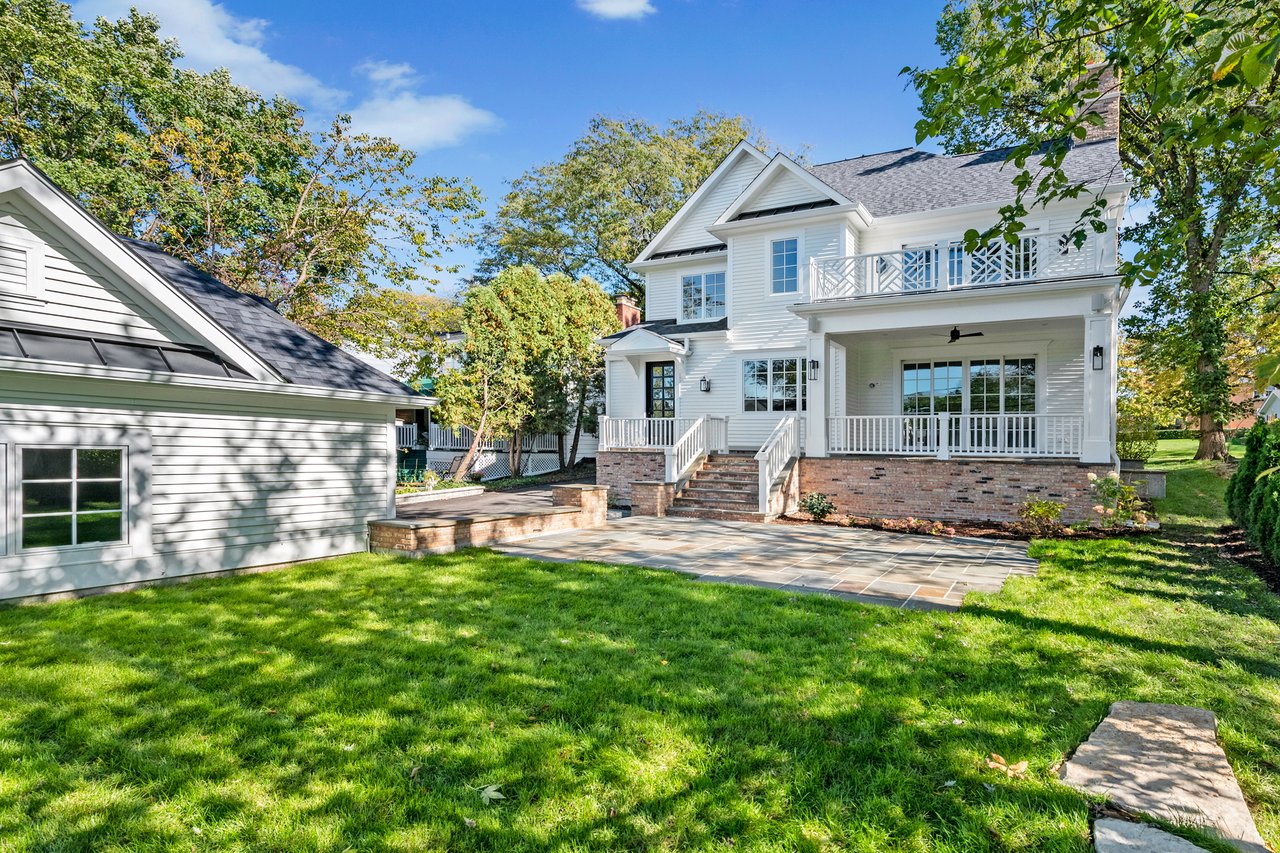
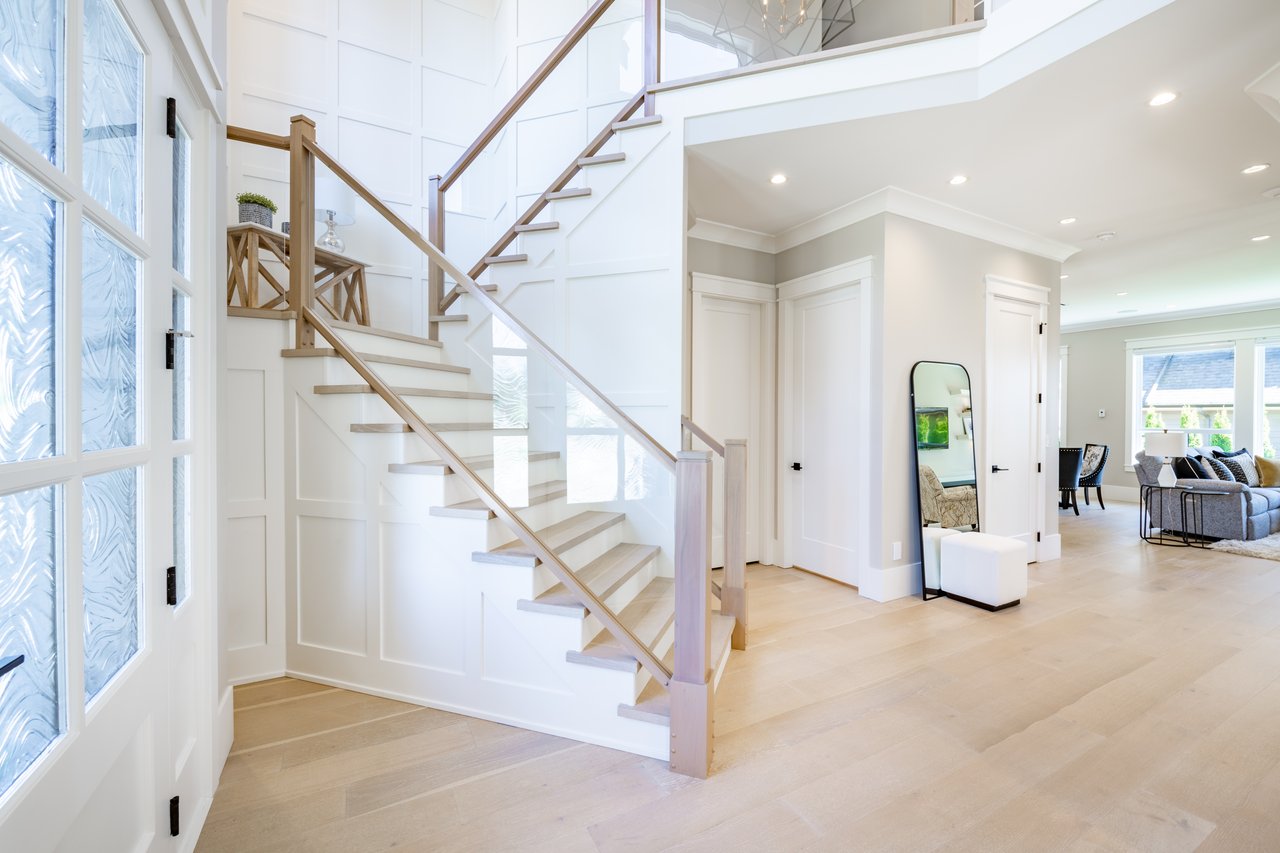
Palm Beach real estate sits at the top end of the regional market. Inventory is naturally limited by the island’s geography and preservation rules, which supports prices for desirable properties. You will find historic estates, modern oceanfront homes, renovated cottages, luxury condos, and some co-ops.
Condos and townhomes: pros and cons
- Pros: Lower entry price compared to land, building amenities like pools, gyms, security, and often beach access. HOA-managed maintenance makes lock-and-leave living easy for second homes.
- Cons: HOA fees can be significant in amenity-rich buildings. Expect possible rental rules, special assessments, and limits on exterior changes.
Single-family homes and estates: pros and cons
- Pros: Privacy, outdoor space, and freedom to customize. Scarce waterfront lots may support long-term value. Prestigious addresses and room to entertain.
- Cons: Higher purchase prices and higher carrying costs. You are responsible for all upkeep, landscaping, and storm prep.
Co-ops and ownership details
Some buildings on the island are co-ops. Rules vary by building and can affect financing, renovations, and rental options. If you are weighing a co-op, review the bylaws, approval process, and lender requirements early in your search.
What it costs to own beyond the purchase price
Owning near the ocean brings unique carrying costs. As you plan, build a realistic budget that matches your lifestyle goals.
Insurance, wind, and flood
Hurricanes are a recurring risk. Many owners carry separate windstorm and flood policies. Features like impact windows, roof tie-downs, and elevated construction can affect premiums. Ask for an elevation certificate, confirm the property’s flood zone, and consider a wind mitigation inspection.
HOA fees and assessments
Condo and co-op HOA fees typically cover exterior maintenance, common areas, landscaping, and amenities such as pools or front desk staff. Review recent board minutes and reserves to gauge the likelihood of assessments for capital projects.
Taxes and residency
Florida has no state income tax, which is part of the draw for many buyers. Property taxes still apply and vary by property. The homestead exemption is for a primary residence; it does not apply to second homes or seasonal use. If you are relocating seasonally, plan your documentation and timeline with your advisor and tax professional.
Seasonality: high season vs year-round
Palm Beach lives in two rhythms. In season, typically late fall through early spring, restaurants, shops, and events are in full swing. The social calendar is busy, and the island feels lively. In summer and early fall, the pace is quieter. Some businesses adjust hours, and residents plan around heat, humidity, and potential storms.
Smart prep for coastal buying
A little upfront diligence goes a long way toward a smooth closing and confident ownership.
- Verify flood zone and elevation; request the elevation certificate.
- Get preliminary quotes for homeowner, wind, and flood insurance.
- Review HOA or co-op bylaws, budgets, reserves, and recent board minutes.
- Check building rules on rentals, pets, renovations, and guest policies.
- Confirm parking details, guest parking, and any island-specific rules.
- Assess storm readiness: shutters, impact glass, generator capacity, and contractor availability.
- Review permits and historic restrictions that could affect remodel plans.
A day in the life: two ways it can look
Seasonal resident
You start with a beach walk and coffee on the patio. Late morning means tennis or a boat ride. Lunch is on Worth Avenue, followed by an art opening or a charity event in the evening during peak season. The next day might include a short trip to West Palm Beach for a museum visit or dinner with friends.
Year-round local
You enjoy the same beauty with more routine. Morning school drop-off or a quick workout comes first. You run errands on the mainland, then meet a friend for a quiet lunch when the island is less crowded. Summer weekends shift outdoors early, with afternoons planned around shade and a sea breeze.
Nearby options off-island
Not every buyer needs to be on the island itself. West Palm Beach offers urban amenities and quick access, while other nearby communities like Palm Beach Gardens, Delray Beach, and Singer Island provide different price points and neighborhood patterns. If you want more space, different architecture, or a broader restaurant scene, your agent can help compare options.
How we help you buy with confidence
Buying on Palm Beach is as much about lifestyle as it is about property specs. You deserve an advisor who will listen, explain the tradeoffs, and manage the details with care. Our team pairs local knowledge with construction insight, so you can evaluate condition, insurance, and renovation potential without guesswork.
If Palm Beach is calling, let’s talk about fit, timing, and a plan that feels seamless. Start a conversation with The Loveland Group for a personalized neighborhood consultation.
FAQs
Is Palm Beach mainly seasonal or year-round?
- Palm Beach supports both, but the population swells in winter when seasonal residents arrive; off-season is quieter with adjusted business hours.
How does Palm Beach differ from West Palm Beach?
- Palm Beach is a separate island town with a small-community feel; West Palm Beach is the mainland city with broader dining, culture, hospitals, and transport hubs.
What should I know about hurricanes and insurance?
- Plan for wind and flood coverage, ask for elevation certificates, and look for mitigation features like impact windows; these affect risk and premiums.
Are condos or single-family homes better for a second home?
- Condos offer amenities and low maintenance for lock-and-leave living; single-family homes provide privacy and customization with higher upkeep.
How expensive is Palm Beach compared to nearby areas?
- Palm Beach is among the priciest parts of the region due to limited inventory and high demand; prices vary by location, condition, and water access.
Are there schools nearby if I live on the island year-round?
- The area is served by the Palm Beach County School District, and there are private and independent schools in the region; commute needs vary by campus.