If you are drawn to skyline views, harbor access, and the ease of condo living, Boston’s Seaport District likely checks a lot of boxes. It offers a polished waterfront lifestyle with restaurants, culture, transit connections, and modern residential towers all packed into one fast-evolving neighborhood. If you are thinking about buying here, it helps to understand both the appeal and the practical realities before you make a move. Let’s dive in.
Why Seaport condo life stands out
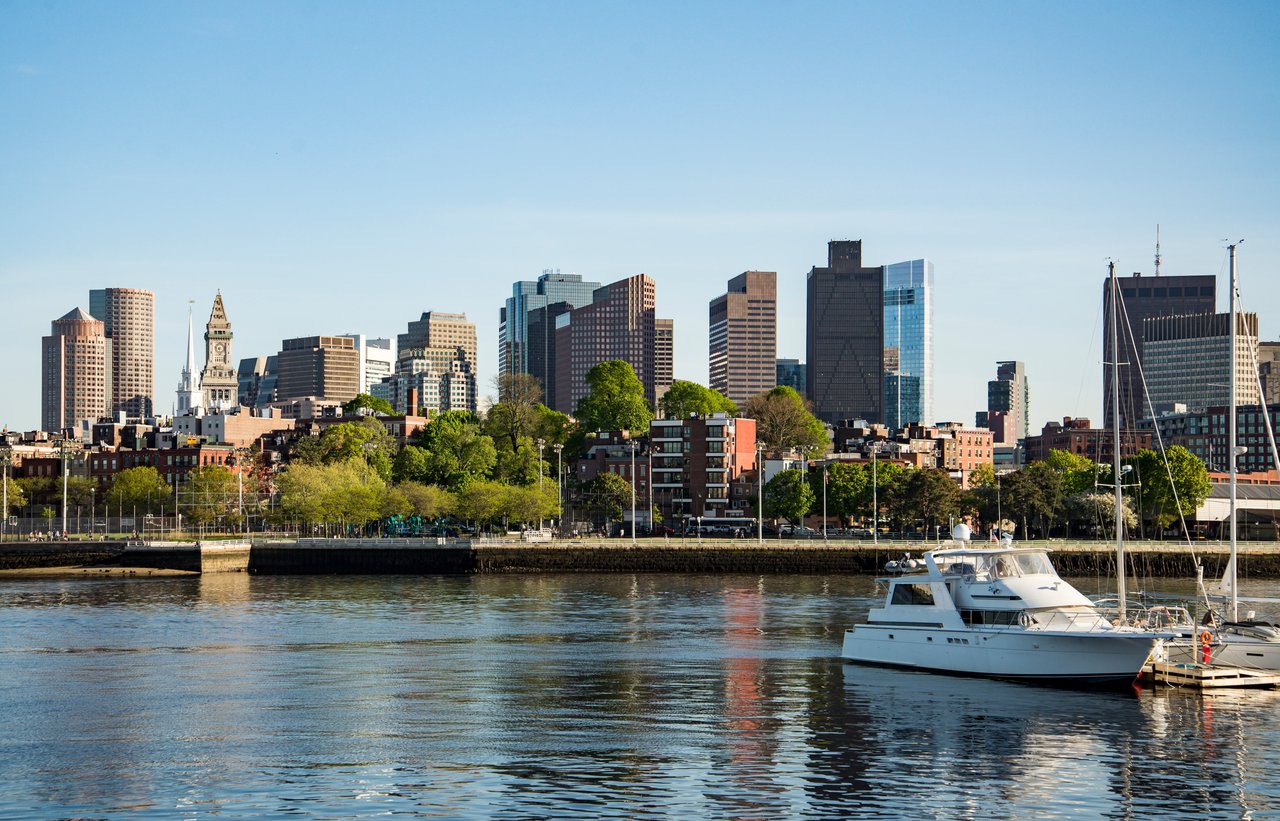
The Seaport District is more than a collection of newer condo buildings. It is a waterfront neighborhood within the broader South Boston Waterfront where daily life often revolves around walkability, public spaces, and easy access to the harbor.
One of the clearest lifestyle advantages is the Harborwalk. Boston Harbor Now describes it as a 43-mile public route through eight Boston Harborwalk neighborhoods, including the Seaport District, and notes that it is generally a non-motorized pathway. That creates a strong sense of connection between home, open space, and the water.
The area also feels convenient in a very practical way. According to the ICA’s neighborhood guide, you have a wide range of restaurants, cafés, attractions, and waterfront destinations within walking distance, including the Children’s Museum, the Lawn on D, the Harborwalk, Boston Harbor Islands access, and Harpoon Brewery.
For many residents, that means daily life can be fairly streamlined. You may be able to handle coffee, dinner plans, a walk, and some errands without needing to leave the neighborhood.
What everyday living feels like
Living in Seaport often means trading yard work and house maintenance for access, service, and amenities. If your priority is convenience, this can be a very appealing setup.
Public spaces play a big role in the neighborhood experience. Martin’s Park offers waterfront open space and a climate-resilient playground, while Fan Pier Park is another major public gathering spot that helps define the district.
The neighborhood is also continuing to grow as a cultural destination. Boston has announced planned cultural spaces for GrubStreet at 50 Liberty and C3, both intended to bring more year-round programming to the South Boston Waterfront.
That matters if you are looking for a neighborhood with momentum. Seaport is still evolving, which means the experience of living there is shaped not just by private buildings, but by the public realm and ongoing investment around them.
What Seaport condos are like
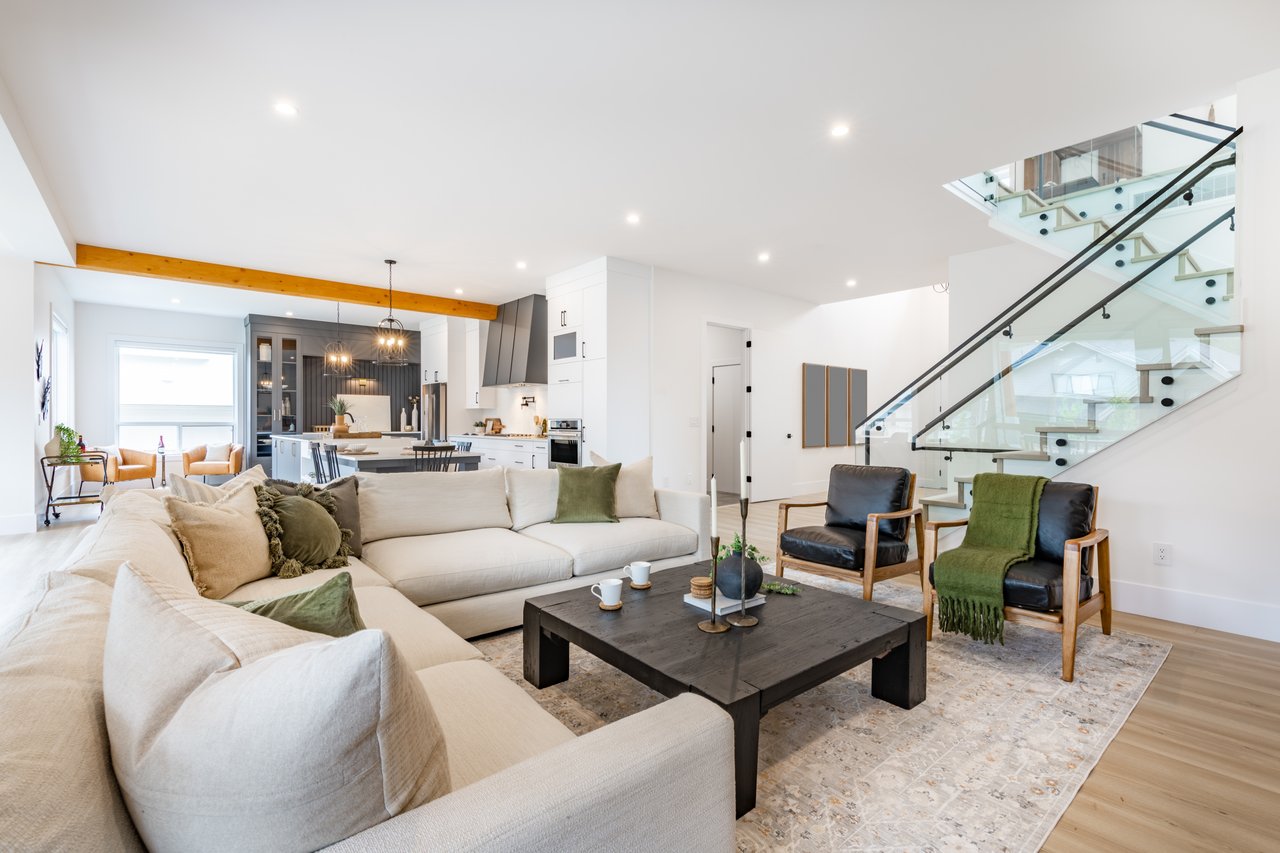
Many newer Seaport condo buildings share a similar design approach. Official building materials for developments like Echelon Seaport and residences at Fan Pier highlight large expanses of glass, strong view orientation, open kitchens, and in some homes, terraces or balconies.
Amenities are also a major part of the package. Echelon Seaport, for example, highlights multiple pools, a fitness center, yoga space, a basketball court, and a large outdoor amenity deck. Fan Pier residences describe a live-work-shop-dine environment tied closely to the waterfront.
That does not mean every building is the same. Still, it is fair to say that many newer Seaport condos are designed around efficient, modern living with shared services and common spaces doing some of the work a single-family home might handle privately.
If you are downsizing or simply want less upkeep, this can be a strong fit. If you need a lot of storage, a very large private footprint, or more flexibility for cars and gear, you will want to compare buildings carefully.
Amenity-rich living comes with tradeoffs
The biggest upside of Seaport condo life is often ease. You may have concierge services, fitness facilities, lounges, outdoor decks, and in some buildings, parking and resident perks that make day-to-day living feel simple.
The tradeoff is that building rules and costs matter more than they might in a detached home. Your lifestyle is shaped not only by your unit, but also by the condo association, the building budget, and how well the property is managed.
That is why buyers should look beyond finishes and views. A beautiful lobby is great, but the long-term ownership experience depends on the building’s financial and operational health.
What buyers should review carefully
In Massachusetts, condominium ownership is governed in part by Chapter 183A. That law defines the organization of unit owners, includes the replacement reserve fund as part of the condo’s common funds, and gives the association authority over management and regulation of the condominium.
In practical terms, your due diligence should include more than the unit itself. Before you move forward, it is smart to review the documents that shape ownership and future costs.
Key items to review include:
- The master deed
- The bylaws
- The current operating budget
- The health of the reserve fund
- Any history of special assessments
- Any unusually high insurance deductibles
- Rules on pets, leasing, storage, parking, and amenity use
Massachusetts consumer guidance also notes that condo associations usually carry a master insurance policy for the building, common walls, and grounds. Unit owners need their own coverage for what that policy does not cover, and association agreements may allow extra charges to unit owners for costs tied to a covered loss.
Getting around from Seaport
Transportation is one of Seaport’s biggest strengths. If you want options beyond driving, this neighborhood offers a useful mix of transit, walking, biking, and water transportation.
Seaport TMA says the area is accessible by the MBTA Silver Line from South Station, with SL1, SL2, and SL3 stops serving the neighborhood. South Station then connects you to the Red Line, Commuter Rail, Amtrak, and regional buses.
The area is also served by MBTA bus routes 4, 7, 9, 11, and 47. If airport access matters to you, Seaport TMA notes that SL1 runs frequently between South Station and Logan Airport seven days a week, with free boarding from airport terminals and low-fare service into the airport from South Station or Seaport.
Water transportation is becoming a bigger part of the picture too. Boston announced a new commuter ferry stop at Pier 10 in Raymond L. Flynn Marine Park in 2025, connecting the South Boston Waterfront to Fan Pier and North Station, while Seaport TMA also lists ferry service between Fan Pier, North Station, and East Boston.
Walking, biking, and car ownership
Seaport’s design supports an active, on-foot lifestyle. Boston has installed pedestrian wayfinding signs from Flynn Cruiseport to South Station and across major destinations in the South Boston Waterfront, and the city formally adopted its South Boston Seaport Strategic Transit Plan in December 2023 to improve capacity, operations, and connectivity.
Bluebikes also has a noticeable presence in the neighborhood. Seaport TMA notes there are more than a dozen Bluebikes stations in the area, which adds another option for short trips.
If you do plan to own a car, it is best to go in with clear expectations. Car ownership can be workable in Seaport, but it is not always effortless, and curb space is actively managed through measures like ride-hail pick-up and drop-off zones.
Before buying, confirm details such as:
- Whether the unit includes deeded or leased parking
- Guest parking rules
- EV charging availability
- Garage access and logistics
- Storage for bikes or larger items
Flood risk is part of the conversation
Any honest Seaport condo guide should address flood risk directly. Boston says the city is among the most vulnerable in the country to flooding, and that sea-level rise will make coastal flooding more common, with flood probability and extent in the South Boston Waterfront expected to increase over time.
This does not mean you should avoid the neighborhood. It does mean you should treat resilience, building preparation, and insurance review as a normal part of buying on the waterfront.
Boston’s Resilient Boston Harbor program calls for resilient open spaces and prepared buildings and infrastructure in South Boston. The city has also advanced climate-adaptation planning and projects in the waterfront area, including work tied to parks and deployable protection measures in some locations such as Martin’s Park.
For you as a buyer, this means the neighborhood’s future is being shaped by both development and adaptation. That is worth understanding before you commit to monthly costs and long-term ownership.
Insurance questions to ask early
Insurance is one of the most important practical issues in a waterfront condo purchase. Massachusetts says standard homeowners insurance does not cover flood damage, and flood insurance is available for condos, renters, and homeowners even though state law does not require it.
That makes early review especially important. You will want to understand the building’s flood exposure, the association’s master policy, any deductibles, and whether there are flood-specific requirements that could affect your costs.
A few smart questions to ask include:
- What does the master policy cover?
- What does the unit owner need to insure separately?
- Are there large deductibles that could affect owners?
- Has the building had recent insurance changes or cost increases?
- Is flood insurance part of the ownership picture?
These are not minor details in Seaport. They are central to understanding the true cost and risk profile of condo ownership near the water.
Who Seaport condo life fits best
Seaport tends to work well for buyers who want a waterfront, amenity-rich, mostly car-light lifestyle. It can be especially appealing if you value dining, arts access, modern buildings, and multiple commute options.
It may also be a strong fit if you prefer less private maintenance and more building-managed convenience. That often resonates with urban professionals and empty-nesters who want ease without giving up access to culture, views, and city energy.
The main tradeoff is that ownership here calls for careful review of condo documents, insurance structure, parking, and waterfront resilience factors. In other words, the lifestyle upside is real, but so is the importance of thorough due diligence.
If you are considering a move to Seaport, the right building matters just as much as the right unit. A thoughtful review of the association, amenities, insurance structure, and location within the neighborhood can help you choose a home that supports both your lifestyle and your long-term comfort. If you want a clear, personalized read on which Seaport condo options align with your goals, The Loveland Group is here to help.
FAQs
What is daily life like in Boston’s Seaport District?
- Daily life in Seaport often centers on walkability, waterfront access, dining, and nearby cultural attractions, with many errands and outings possible within the neighborhood.
What are Seaport District condos usually like?
- Many newer Seaport condos feature open layouts, large windows, strong water or skyline views, and shared building amenities such as fitness spaces, lounges, decks, or pools.
What should buyers review before buying a Seaport condo?
- Buyers should review the master deed, bylaws, budget, reserve fund, special assessment history, insurance structure, and building rules on pets, leasing, parking, storage, and amenity use.
How do you get around from Boston’s Seaport District?
- Seaport offers access to the MBTA Silver Line, several bus routes, South Station connections, Bluebikes, walking routes, and ferry service, including links to Fan Pier, North Station, and East Boston.
Do Seaport condo buyers need to think about flood risk?
- Yes. Boston identifies the South Boston Waterfront as an area where flood probability and extent are expected to increase over time, so buyers should review resilience planning, insurance, and building preparedness carefully.
Does standard condo insurance cover flood damage in Massachusetts?
- No. Massachusetts says standard homeowners insurance does not cover flood damage, so Seaport buyers should understand the association’s master policy and whether separate flood-related coverage is needed.