If you are condo shopping in Boston, South Boston probably keeps coming up for one simple reason: it offers a hard-to-match mix of city access, neighborhood energy, and time near the water. That combination can feel exciting, but it also comes with real tradeoffs that matter once you move from browsing listings to living there every day. If you are trying to decide whether a South Boston condo fits your lifestyle, this guide will help you weigh the benefits, the compromises, and the questions worth asking before you buy. Let’s dive in.
Why South Boston draws condo buyers
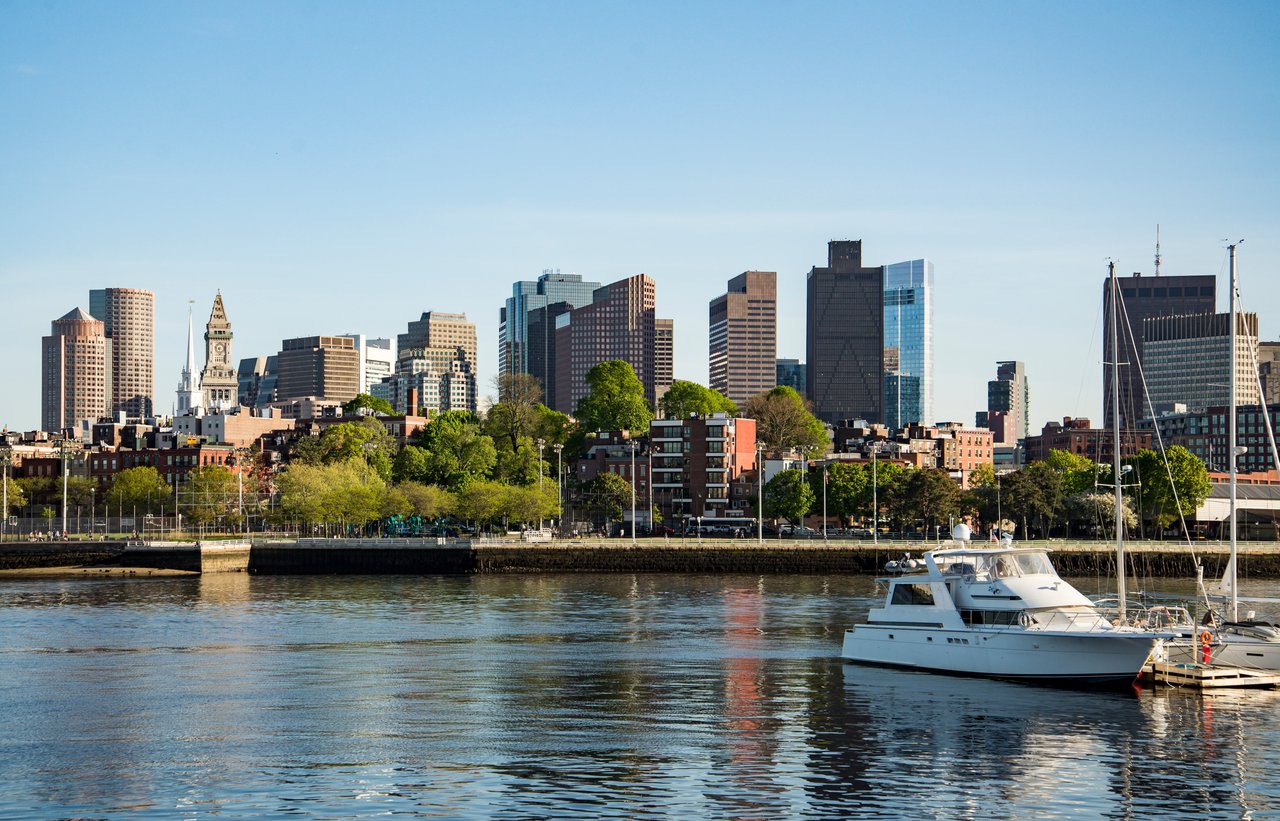
South Boston sits on a peninsula just south of Downtown Boston, which gives it a close-in feel with access to open space, beaches, and the waterfront. According to the Boston Planning & Development Agency, the neighborhood is known for its commercial activity around East and West Broadway, along with downtown access, nightlife, and outdoor amenities.
For many buyers, that means you are not choosing between urban convenience and recreation. In South Boston, you can often have both. If your ideal routine includes getting around the city efficiently while still being near parks, waterfront paths, or the beach, the neighborhood has clear appeal.
What condo living looks like here
One of the biggest things to understand is that South Boston does not offer just one condo style. The housing stock varies a lot depending on where you look, and that can shape both your budget and your day-to-day experience.
Older condo conversions
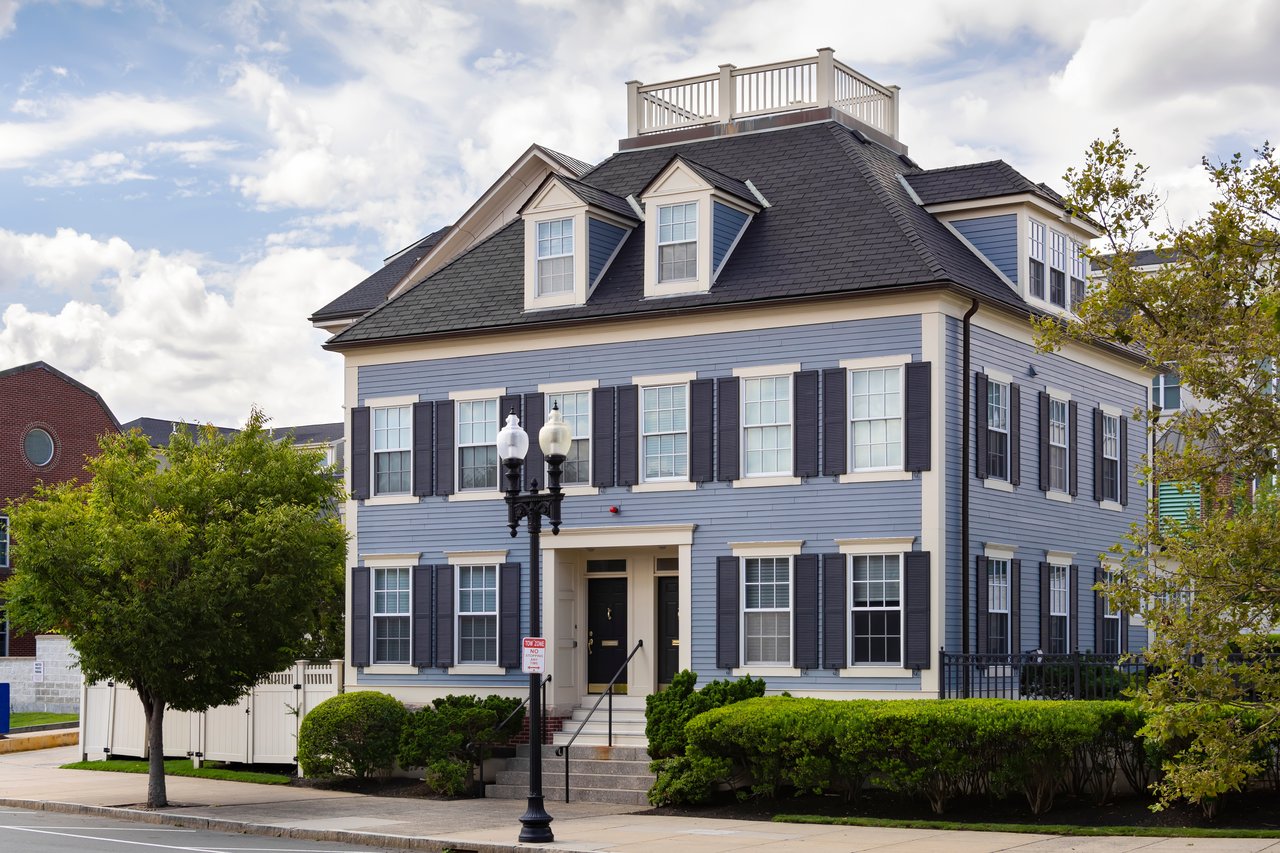
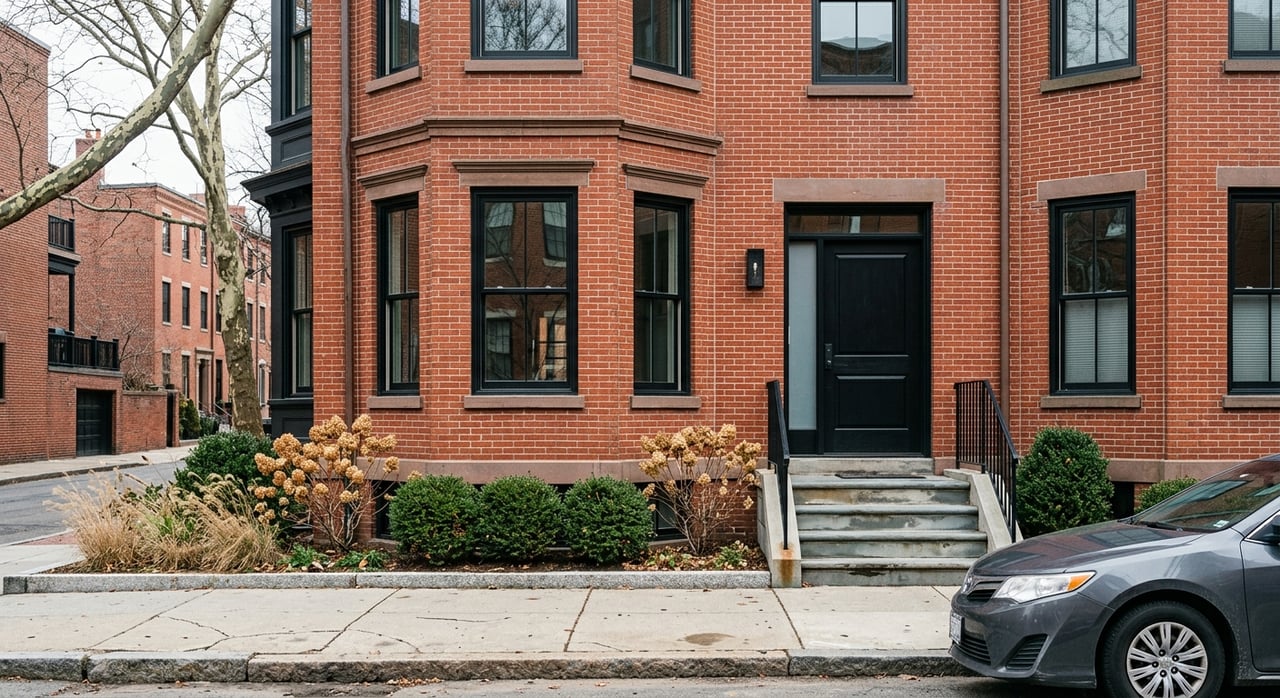
Much of South Boston is defined by triple-deckers and attached rowhouses. Boston documentation also notes that flat-roofed three-deckers are a characteristic local building type, so many condo options come from conversions in older, lower-rise properties.
If you are considering this type of condo, you may like the residential street feel and smaller-scale buildings. At the same time, older buildings can come with different layouts, shared systems, and less consistency from one property to the next.
Newer waterfront condos
The South Boston Waterfront offers a different experience. BPDA reports major housing growth there from 2010 to 2025, with new and under-construction apartment, condominium, and micro-unit buildings, along with loft living in former warehouses.
If you prefer newer construction, more modern building amenities, or a location tied closely to the waterfront and major transit corridors, this part of South Boston may stand out. It can feel very different from the older residential blocks, so it helps to compare both product types with your real lifestyle in mind.
Who a South Boston condo suits best
South Boston tends to be a strong fit if you want a dense urban lifestyle with quick access to downtown and easy reach to parks and the waterfront. It can work especially well if you value location, walkability, and neighborhood identity more than having a large yard or suburban-style space.
The neighborhood may also appeal if you are comfortable choosing between an older condo conversion and a newer building, depending on your priorities. Some buyers want charm and a more classic residential setting, while others want newer systems and a more polished building experience.
BPDA’s neighborhood profile also describes South Boston as educated and labor-force oriented, which helps explain why it often attracts first-time buyers and move-up buyers looking for an active urban routine.
When South Boston may not be the right fit
A South Boston condo is not the best match for every buyer. If you need abundant curb parking, a large private outdoor area, or a quieter low-density environment, the neighborhood may feel more logistically tight than comfortable.
This is especially true if your daily routine depends heavily on driving. South Boston can absolutely work for car owners, but parking rules, limited on-street options, and building-by-building differences make it important to think beyond the listing photos.
Transit is a real advantage
Transit access is one of South Boston’s strongest selling points, although it is not identical across every section of the neighborhood. The South Boston Transportation Action Plan includes improved access to Broadway and Andrew stations, bus-service improvements, and new bus connections along corridors such as D Street.
In the waterfront area, BPDA says residents benefit from direct access to I-90, the Silver Line, and several MBTA bus routes. South Station and Logan Airport are also described as one Silver Line stop away in opposite directions, which can make a big difference if your routine includes commuting or frequent travel.
Car-light living is more realistic in some areas
If you want to rely less on a car, South Boston can be a practical option, especially near the waterfront and major transit routes. That does not mean every block feels the same, though. A condo that looks similar on paper may offer a very different daily routine depending on how close it is to stations, bus service, and your regular destinations.
This is one reason neighborhood-level guidance matters. In South Boston, location within the neighborhood can shape convenience almost as much as the condo itself.
Parking can be the biggest tradeoff
For many buyers, parking is where the lifestyle decision becomes real. Boston’s resident parking program reserves on-street spaces for local residents, and the City notes that it is not currently accepting petitions for new resident parking permit locations.
South Boston also has a formal parking-freeze area that includes Residential, Piers, and Commercial/Industrial zones. In the Residential Zone, remote parking is the main restriction, while other new parking facilities generally require a South Boston parking freeze permit.
Why parking should affect your condo search
In practical terms, deeded parking or garage parking can change your ownership experience in a major way. If you drive regularly, that feature may deserve the same weight as square footage, finishes, or even view.
Before you buy, it helps to think through your real habits:
- Do you commute by car most days?
- Do you expect overnight guest parking?
- Are you comfortable relying on resident street parking?
- Would a deeded space meaningfully improve daily convenience?
In South Boston, the answers to those questions can have a big impact on how satisfied you feel after closing.
Open space is a major lifestyle perk
One of South Boston’s standout advantages is how much public open space and waterfront access it offers. BPDA says the neighborhood includes miles of beaches and waterfront parks, which is a meaningful benefit if you want city living that still feels connected to the outdoors.
The City’s parks inventory includes places such as A Street Park, Medal of Honor Park, Martin’s Park, Moakley Park, Orton Field, and Sweeney Playground. The broader recreation corridor also includes Castle Island, Pleasure Bay, M Street Beach, and Carson Beach.
Everyday value beyond the condo walls
This matters because condo living is not only about the unit itself. In a dense neighborhood, nearby open space can function as part of your lifestyle footprint. Whether you are going for a walk, meeting friends outdoors, or spending time near the water, access to these public spaces can make a smaller home feel larger in practice.
Boston Parks has also said that Moakley Park’s next phase would add upgrades such as improved fields, gathering space, more planting, and an elevated accessible landscape with harbor views. For buyers who think long term, public-space investment is worth paying attention to.
Flood risk deserves careful attention
The same waterfront setting that gives South Boston much of its appeal also creates a serious due diligence issue. Climate Ready Boston says South Boston is a peninsula bounded by Fort Point Channel and Dorchester Bay, and that much of the neighborhood sits on filled land.
That report also says South Boston faces the greatest or near-greatest exposure to coastal flooding among Boston focus areas. Resilient Boston Harbor’s South Boston vision centers on protecting major flood pathways, including areas around Moakley Park and Fort Point Channel.
What buyers should review closely
If you are considering a condo in South Boston, especially near the waterfront or other low-lying areas, building-specific review is essential. You will want to understand the property’s elevation, flood history, and insurance considerations as part of your decision-making process.
This is where a condo purchase becomes more than a style choice. A beautiful location can still be the right move, but only if you go in with clear eyes and the right questions.
Questions to ask yourself before buying
South Boston may be right for you if your answers lean in these directions:
- You want to stay close to Downtown Boston
- You value waterfront access, beaches, and parks
- You like a walkable, active urban setting
- You are open to either older condo conversions or newer buildings
- You can accept tighter parking logistics
- You are prepared to review flood-related details carefully
If most of those points sound like your lifestyle, South Boston could be a strong match. If not, it may still be worth exploring, but with extra caution around the tradeoffs that affect daily life.
The bottom line on South Boston condos
A South Boston condo can be a smart choice if you want an urban neighborhood with strong identity, excellent access to downtown, and meaningful connection to the waterfront. The area offers a mix of older residential character and newer condo options, which gives you range but also makes it important to compare subareas carefully.
The key is to balance the lifestyle upside with the practical realities. Transit, open space, and location are major strengths. Parking constraints and flood-related due diligence are the main factors that deserve extra attention.
If you want help comparing condo options block by block and building by building, The Loveland Group offers the kind of thoughtful, high-touch guidance that can help you make a confident move in South Boston.
FAQs
Is South Boston a good place for condo buyers who commute downtown?
- Yes. South Boston offers strong access to Downtown Boston, and transit improvements and connections to Broadway, Andrew, the Silver Line, and major bus routes support commuting in many parts of the neighborhood.
What types of condos are common in South Boston?
- South Boston includes many condos in older triple-decker and rowhouse conversions, along with newer waterfront condo buildings and some loft-style homes in former warehouses.
Is parking difficult for South Boston condo owners?
- Parking can be one of the biggest tradeoffs. Resident parking rules and the South Boston parking-freeze framework mean deeded or garage parking can make a major difference in daily convenience.
Does South Boston offer good access to parks and beaches?
- Yes. The neighborhood includes miles of beaches and waterfront parks, with access to places such as Castle Island, Pleasure Bay, M Street Beach, Carson Beach, and Moakley Park.
Should South Boston condo buyers think about flood risk?
- Yes. City climate planning reports identify South Boston as having very high exposure to coastal flooding, so buyers should review elevation, flood history, and insurance considerations for any specific building they are considering.