Wondering whether buying a condo in Back Bay means you need to move fast, pay top dollar, and accept tradeoffs without much leverage? Not exactly. Back Bay is one of Boston’s most recognized condo markets, but it is not one single market with one pricing pattern or one buyer playbook. If you are considering a purchase here, understanding how block, building type, HOA structure, and historic rules shape value can help you make a smarter decision. Let’s dive in.
Back Bay Is Premium, But Not Uniform
Back Bay sits at the high end of Boston’s condo market, yet the numbers show a more nuanced picture than many buyers expect. Current Redfin data for Back Bay condos shows 112 condos for sale with a median listing price of $1.69M, about 46 days on market, and roughly 1 offer per listing.
That stands apart from Boston condos overall, where Redfin reports 1,328 condos for sale at a median listing price of $850K, 32 days on market, and 3 offers on average. In practical terms, Back Bay is about a 2x-price market, but it is also moving more slowly than the broader Boston condo market.
A separate Zillow home value index for Back Bay reports a typical home value of $1,337,259 as of March 31, 2026, down 1.7% year over year, with 120 for-sale listings and 61 days to pending. Because Zillow and Redfin use different methods, the figures are best used as directional signals, not exact apples-to-apples comparisons.
Why Buyer Strategy Matters Here
In some neighborhoods, your search starts and ends with budget and bedroom count. In Back Bay, that is rarely enough. This market rewards buyers who look deeper at the building, the block, and the monthly carrying costs before they decide what a unit is really worth.
That is partly because Back Bay is a protected historic district, anchored by major streets like Newbury Street, Boylston Street, and Commonwealth Avenue, with landmarks including the Prudential Center, John Hancock Tower, Trinity Church, and the Boston Public Library. Those details matter because location within the neighborhood can affect noise, access, views, prestige, and future resale appeal.
It also matters because exterior work in the Back Bay Architectural District is subject to review and approval before work begins. If you are buying a brownstone or older conversion and already thinking about exterior changes, windows, or façade-related projects, that should be part of your planning from day one.
Back Bay Acts Like Several Mini-Markets
One of the biggest mistakes buyers make is treating Back Bay like a single, uniform neighborhood. It is better understood as a set of overlapping micro-markets where similar square footage can command very different pricing based on the exact address and building style.
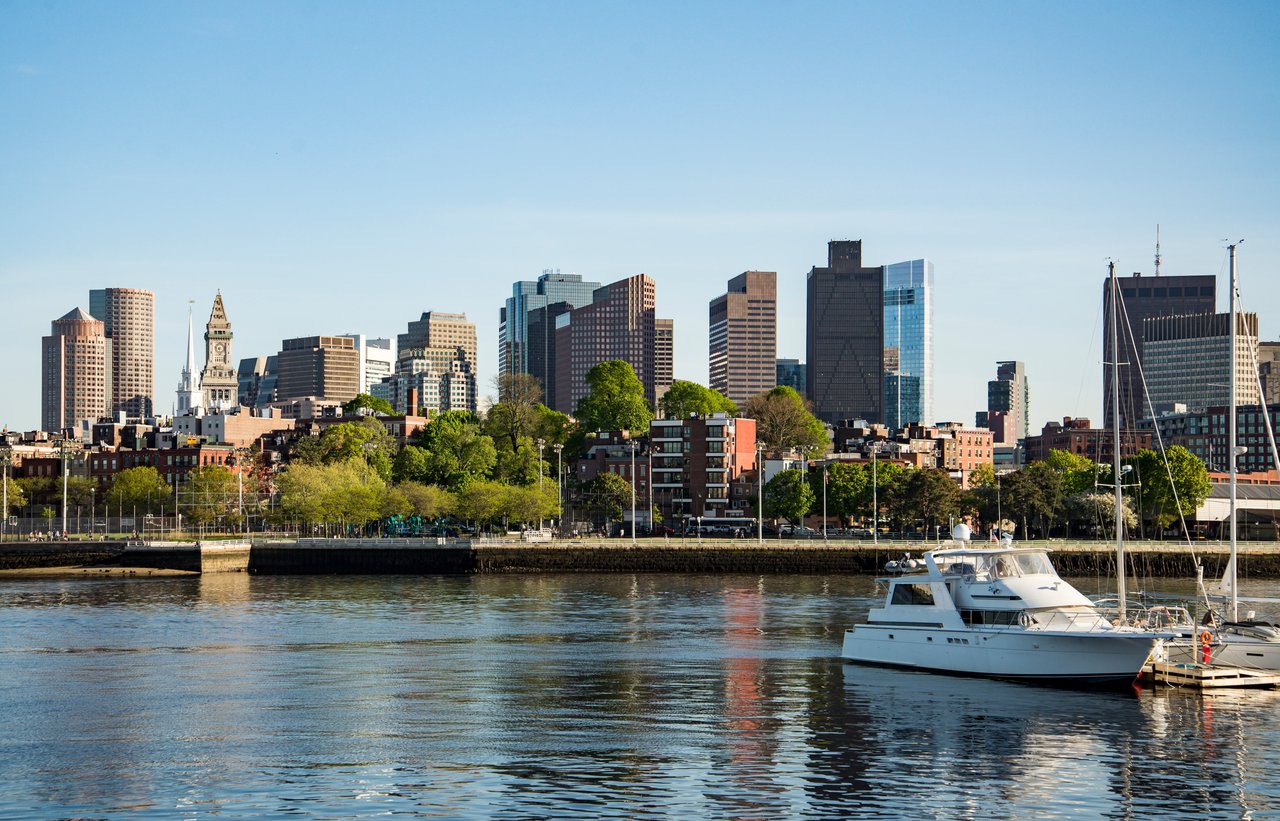
Boston planning materials describe Back Bay as a reclaimed, gridded district with parks, wide boulevards, and major shopping streets like Newbury and Boylston. That helps explain why a quiet side street, a prominent avenue address, and a location near the Charles or key commercial corridors may not perform the same way, even if the condos look similar on paper.
Current Redfin submarket data reinforces that point. Back Bay East condos show 39 condos for sale at a $2.27M median listing price with 43 days on market. Back Bay West shows 42 condos at $1.05M with 51 days, while Prudential-St. Botolph shows 27 condos at $1.73M with 40 days. That spread is exactly why buyers should avoid broad assumptions.
Building Type Can Change the Math
When you buy in Back Bay, you are not just choosing a home. You are choosing a building structure, a management style, and a set of tradeoffs that can affect both daily life and long-term cost.
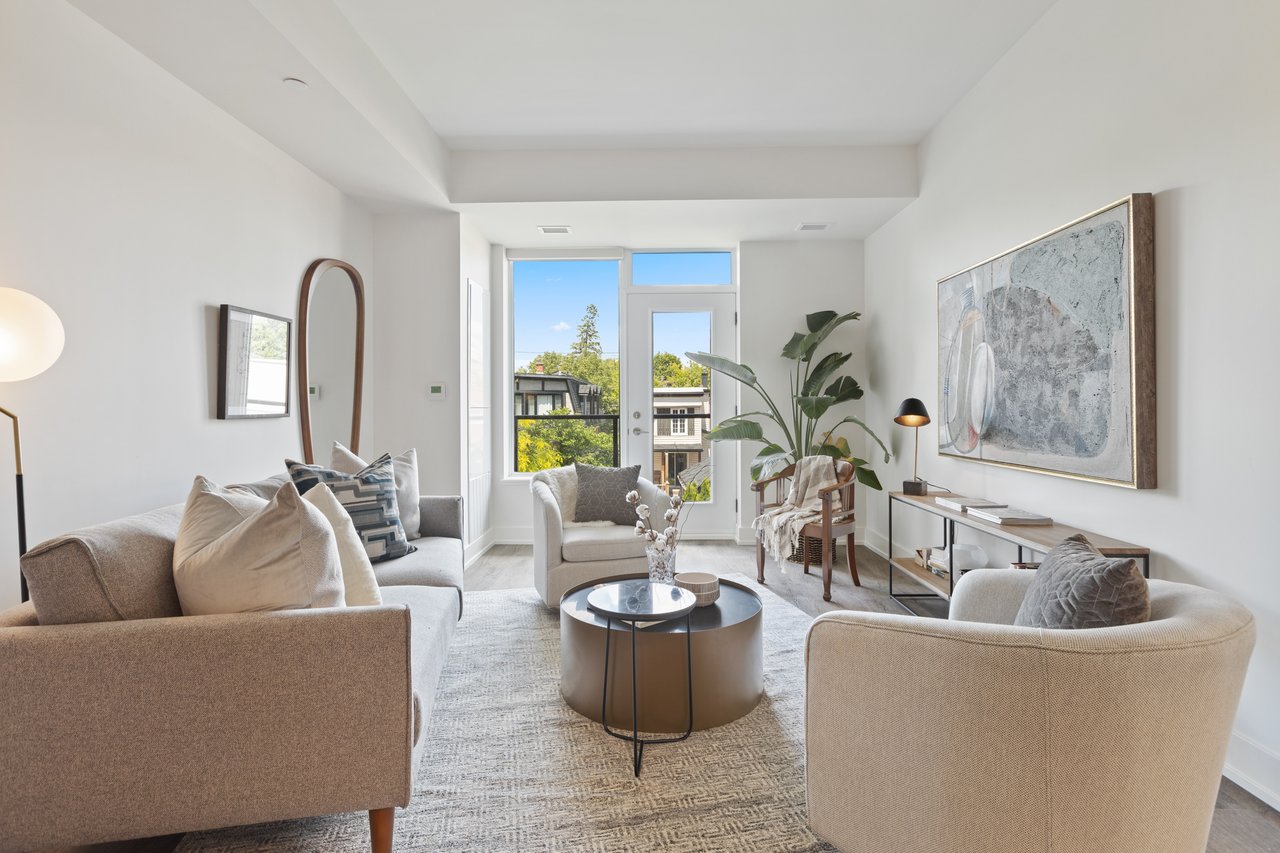
The current listing mix shows how varied the market is. Back Bay condo listings include examples with deeded parking, direct elevator access, central A/C, private storage, private entrances, and outdoor space. In other words, two condos with similar pricing may offer very different ownership experiences.
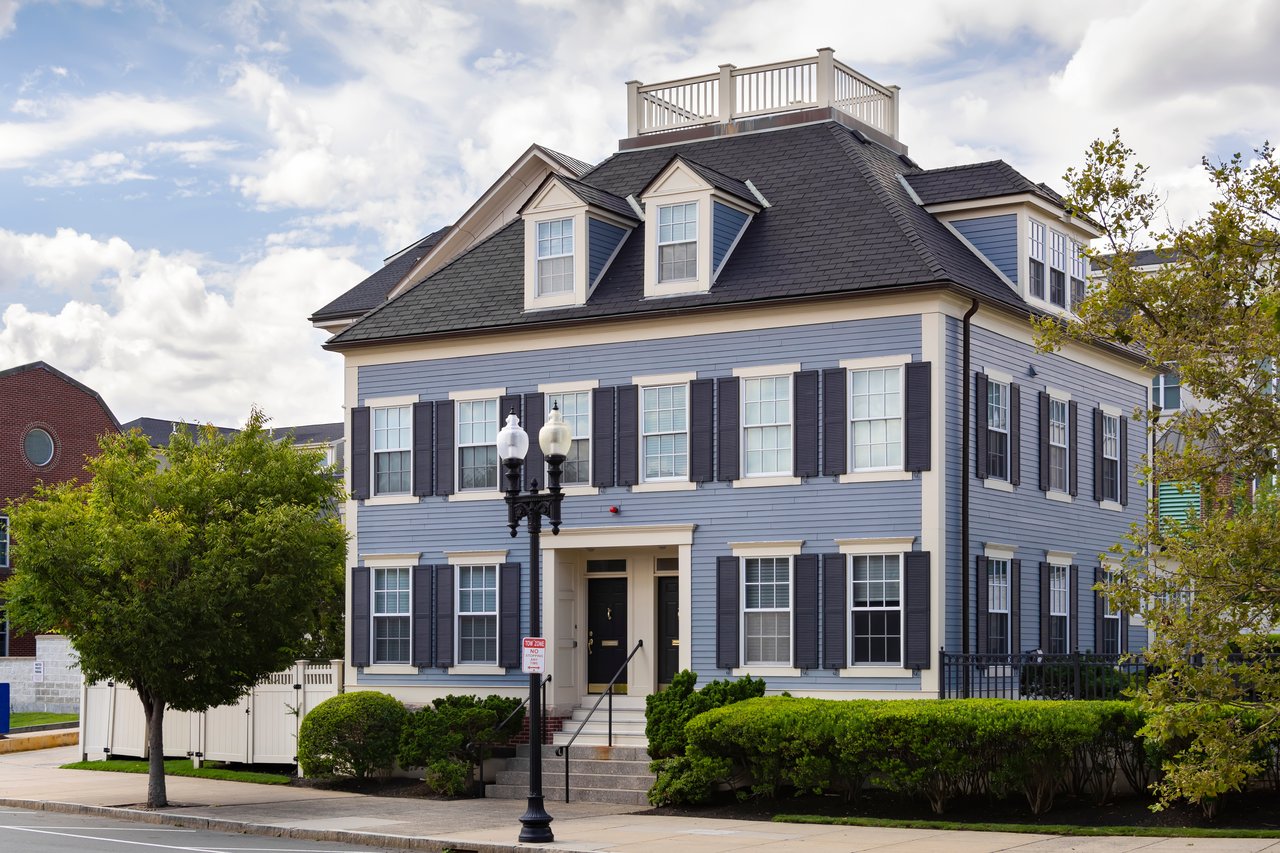
A classic brownstone unit may offer charm, scale, and a highly specific address. A professionally managed elevator building may offer convenience and easier day-to-day living. A higher-amenity condo tower may bring a different lifestyle and fee structure altogether. Your best choice depends on how you weigh privacy, maintenance, services, and future flexibility.
Price Brackets Shape Your Options
Back Bay buyers benefit from entering the search with realistic expectations about what each budget level tends to buy. The neighborhood does offer a range, but each price tier comes with its own patterns.
Under $1M Means Entry, Not Scale
In Back Bay, the sub-$1M segment is still expensive by city standards, and it often centers on compact layouts. Current examples include a $450K studio at 227 Marlborough St #2 with 280 square feet, a $479K one-bedroom at 501 Beacon St #1 with 560 square feet, a $719,900 one-bedroom at 4 Charlesgate East #107 with 576 square feet, and an $850K one-bedroom at 298 Commonwealth Ave #202 with 512 square feet.
If this is your budget, you are usually prioritizing location and neighborhood access over generous square footage. Strategy at this level often comes down to deciding which features matter most, such as layout efficiency, building condition, or whether a unit feels like a true long-term fit.
$1M to $2M Opens More Choices
This is often the broadest part of the Back Bay condo market. Buyers in this range are more likely to find better layouts, updated interiors, elevator access, or parking.
Current examples include 121 Beacon St #2 at $1.299M with 2 bedrooms, 1.5 baths, 1,410 square feet, and deeded parking; 165 Newbury St #2 at $1.499M with 2 bedrooms, 1.5 baths, direct elevator access, and off-street parking; and 390 Commonwealth Ave #210 at $1.78M with 2 bedrooms and 1.5 baths. In this bracket, the decision often becomes less about getting into Back Bay and more about picking the right mix of location, finish level, and convenience.
$2M+ Brings Prestige and Scarcity
Above $2M, the market shifts further toward larger residences, notable addresses, and more privacy or scale. Current listings in this tier include 392 Marlborough St #1 at $3.2M, 190 Marlborough Unit A at $3.475M, 360 Newbury Unit 709/710 at $3.99M, 100 Belvidere St Unit 7A at $4.995M, 397 Commonwealth Ave #2 at $7.95M, and a $15M residence at 397 Commonwealth Ave.
At this level, buyers are often comparing more than size alone. Full-floor layouts, landmark buildings, avenue prestige, and rare feature sets can all influence value and competition.
HOA Costs Deserve Real Attention
In Back Bay, monthly carrying cost can influence affordability just as much as purchase price. That is why HOA review should be one of the earliest steps in your search, not something you leave until after you fall in love with a unit.
Current listings show HOA fees such as $320 and $657, but the real question is what those fees support and whether they are likely to stay stable. Redfin’s recent condo reporting notes pressure from higher HOA fees, insurance costs, and special assessments, and also notes that some condo associations do not allow FHA loans.
Before you commit, it helps to review:
- HOA budget and reserves
- Recent or pending special assessments
- Owner-occupancy and financing rules
- Building maintenance history
- What services and utilities are included
This is where construction and building-level insight can be especially valuable. A lower fee is not always the better deal if deferred maintenance or underfunded reserves create larger costs later.
Historic Rules Affect Renovation Plans
If you are buying with renovation in mind, Back Bay requires a little more homework. Because the neighborhood includes a historic district with review standards for exterior work, your future plans may not be as flexible as they would be in a newer building or a different neighborhood.
That does not mean you should avoid older properties. It simply means you should match the property to your goals. If you want turnkey living, a professionally managed building may align better with your priorities. If you value architectural character and are comfortable navigating constraints, a brownstone purchase may still be the right move.
Buyers May Have More Time to Compare
Back Bay is expensive, but it is not currently behaving like a market where every condo triggers a rush of offers. With longer days on market and fewer offers per listing than Boston condos overall, buyers may have more room to compare options carefully.
That does not guarantee negotiating leverage on every property. Well-located or highly unique listings can still move quickly. Still, the broader trend suggests that buyers can often take a measured approach by reviewing condo documents, comparing building classes, and weighing tradeoffs instead of making reflex decisions.
Cross-Shopping Changes Your Leverage
If you are deciding between Back Bay and another high-end Boston neighborhood, comparison shopping can sharpen your strategy. For example, Beacon Hill condo data shows 30 condos for sale at a $1.35M median listing price and 40 days on market, making it a natural point of comparison for buyers focused on walkability, historic character, and premium location.
That kind of comparison can help you define what you are truly paying for in Back Bay. Sometimes it is a specific street. Sometimes it is a particular building style. Sometimes it is access to major corridors, transit, or a more modern amenity set.
A Smarter Back Bay Buyer Plan
If you are shopping in Back Bay, the strongest strategy is to think beyond the neighborhood name. You will usually make a better decision when you evaluate the condo through four lenses at once: block, building type, HOA structure, and renovation flexibility.
A practical approach looks like this:
- Set a clear budget for both price and monthly carrying costs.
- Decide which micro-location matters most to you.
- Compare brownstones, elevator buildings, and larger amenity properties separately.
- Review HOA documents early in the process.
- Factor in historic-district constraints if changes are important to you.
- Use market pace to compare carefully rather than rushing.
Back Bay can reward thoughtful buyers. When you understand how the market works at the building and block level, you are much more likely to buy with confidence and avoid expensive surprises later.
If you want a more personalized read on which part of Back Bay fits your goals, The Loveland Group offers a thoughtful, white-glove approach grounded in neighborhood knowledge, condo expertise, and practical building insight.
FAQs
What makes the Back Bay condo market different from the overall Boston condo market?
- Back Bay condos currently show a much higher median listing price than Boston condos overall, along with longer average days on market and fewer offers per listing, which suggests a more specialized and less uniform market.
Why do Back Bay condo prices vary so much by block?
- Back Bay includes distinct streets, landmark-adjacent locations, and different building types, so pricing can shift based on address, proximity to key corridors, and the overall feel and function of a specific block.
How do HOA fees affect a Back Bay condo purchase?
- HOA fees affect your monthly carrying cost and may reflect services, reserves, maintenance needs, insurance costs, or risk of future special assessments, so they should be reviewed early in your search.
What should buyers know about renovating a condo in Back Bay?
- Because Back Bay includes a protected historic district, exterior work may require review and approval, which can affect renovation flexibility for some properties.
Are Back Bay condos moving quickly right now?
- Current market data suggests Back Bay condos are generally moving more slowly than Boston condos overall, which may give buyers more time to compare options and review documents carefully.
How should buyers compare Back Bay with Beacon Hill condos?
- Buyers should compare pricing, days on market, building style, location preferences, and monthly costs, since each neighborhood offers a different mix of historic setting, walkability, and condo inventory.