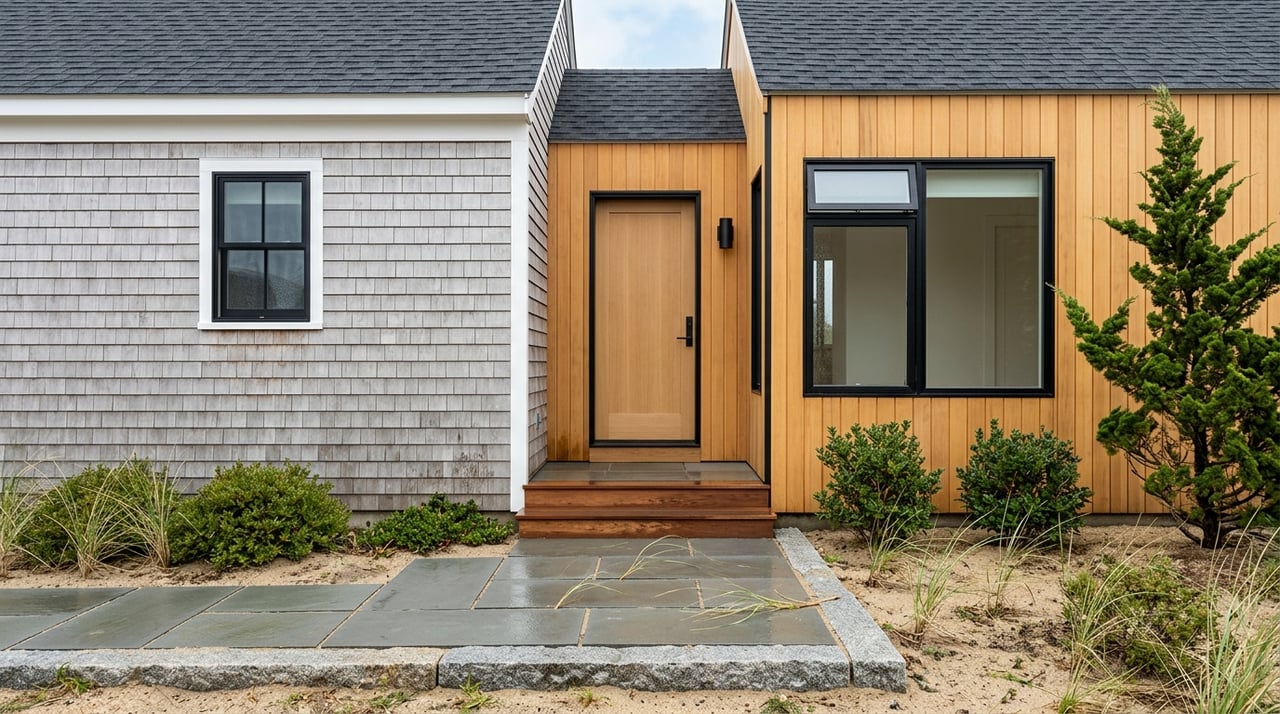
If you picture Truro as one kind of Cape Cod market, it is easy to miss what makes it so specific. This is a town of stand-alone homes, older cottages, limited condo inventory, and land parcels shaped by strict environmental and zoning realities. If you are thinking about buying, selling, or investing here, understanding that mix can help you make smarter decisions from the start. Let’s dive in.
Truro’s housing stock at a glance
Truro’s housing market is defined by low density and a strong seasonal pattern. According to the town’s 2025 Housing Production Plan, Truro has 3,001 total housing units, but only about 1,250 are occupied full-time. The same plan says 78.2% of total units are vacant for seasonal or recreational use.
That number tells you a lot about how Truro functions. Many properties are used as second homes or part-time coastal retreats, while the year-round housing base remains relatively limited. For buyers, that means your competition, pricing context, and intended use all matter.
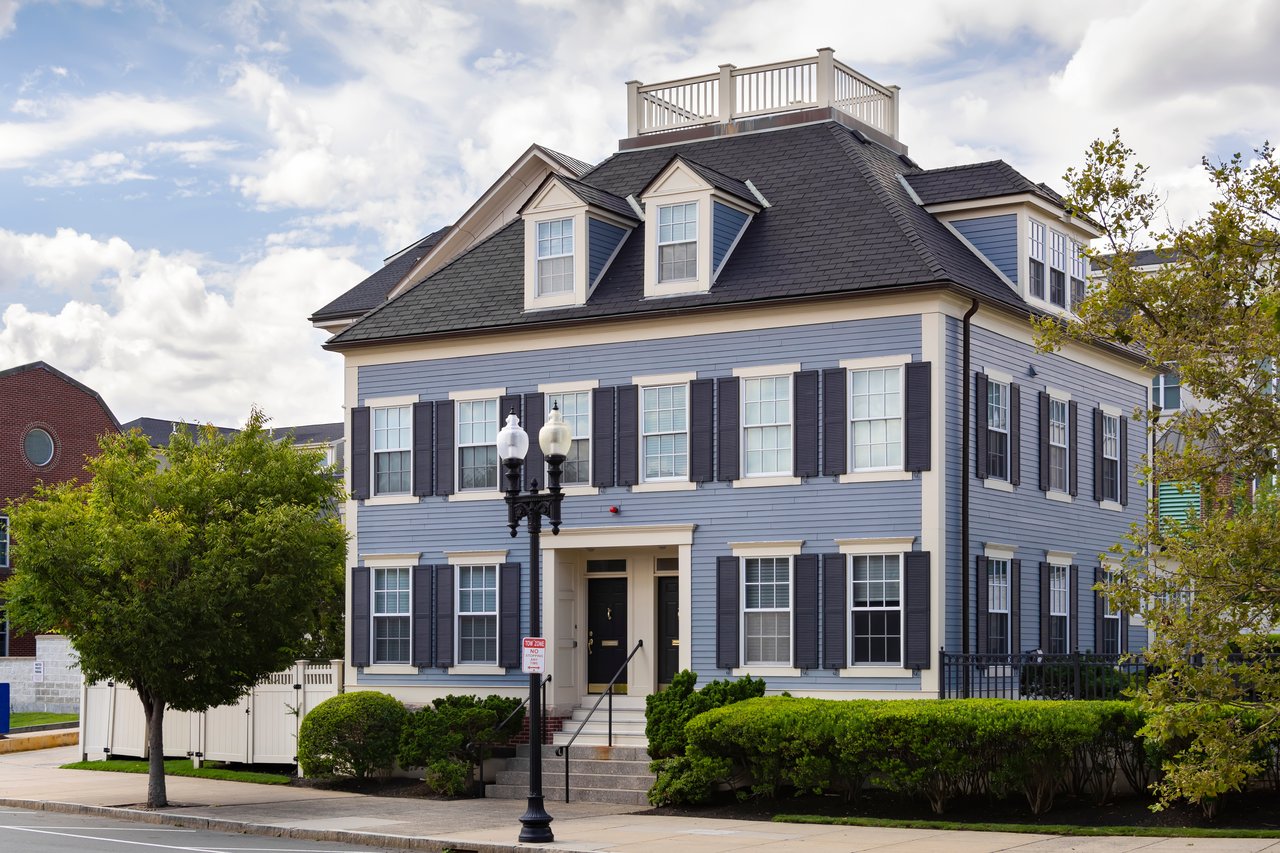
Most homes are single-family
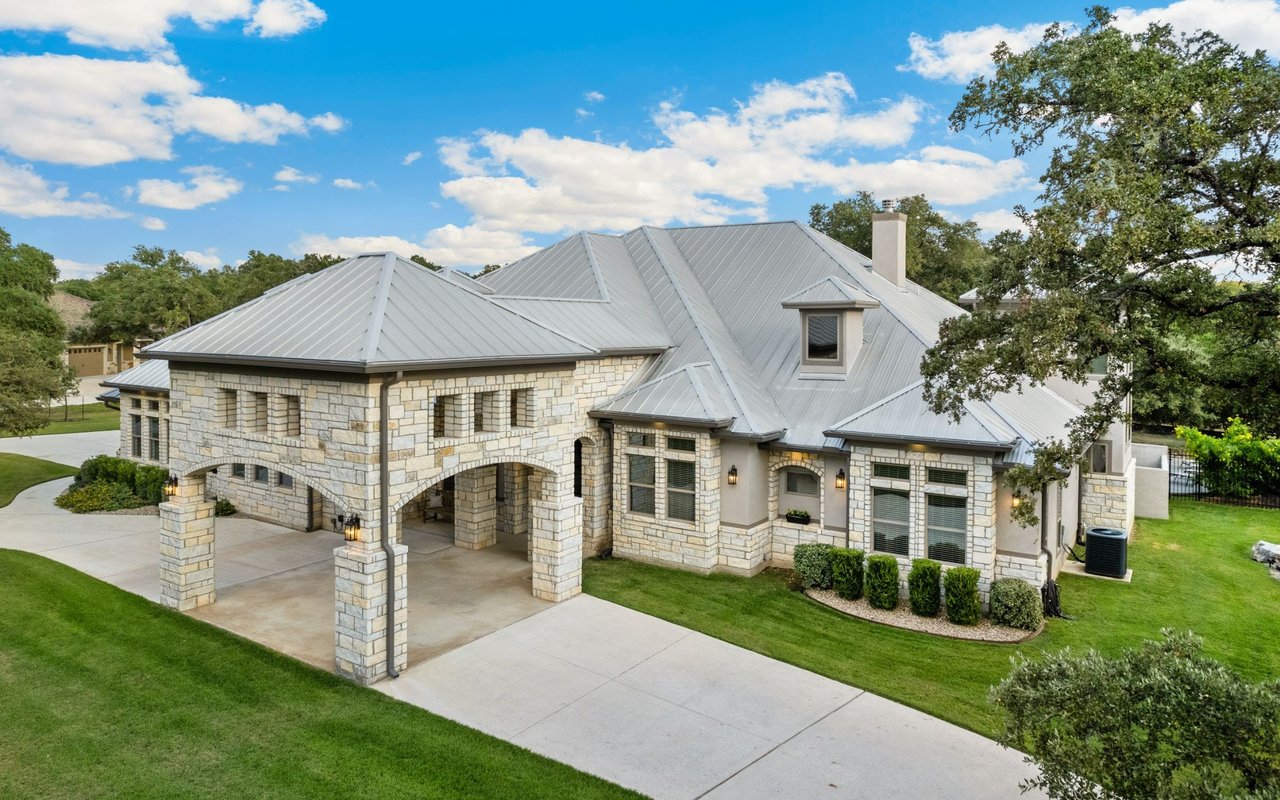
Truro is overwhelmingly a single-family home market. About 90% of the housing stock falls into that category, while only about 4.6% is in two-to-four-unit structures and 4.92% is in buildings with five or more units.
That is a very different profile from nearby Provincetown, which the same town plan describes as 51% multifamily. In practical terms, Truro offers more separation, more private lot patterns, and fewer opportunities to buy into a large condo-style environment.
Much of the stock is older
The town’s plan says most year-round occupied homes were built between 1960 and 1999, and about 58% of the housing stock was built before 1980. Older homes can carry charm, established settings, and classic Cape character, but they can also bring more maintenance questions.
That matters whether you are buying a primary home, a second home, or a property with future improvement potential. Age alone does not define value, but it should shape how you evaluate systems, efficiency, and possible renovation needs.
Why Truro feels different
Truro’s housing stock reflects its landscape. The town plan says about 78% of Truro’s land area is protected open space, and the area is dominated by seashore and natural surroundings. It also notes there is no distinct town center.
That combination helps explain why Truro appeals to buyers who want quiet, privacy, and a lower-density setting. It also explains why development is more constrained here than in some other Cape markets.
Low density is built into the rules
Truro’s zoning supports stand-alone homes on relatively large lots. The bylaw calls for a minimum lot size of 33,750 square feet, 150 feet of frontage, 25-foot setbacks, and a two-story or 30-foot height cap. In the Seashore District, the minimum lot size increases to 3 acres.
Those standards influence what gets built, how much separation you feel between properties, and how much flexibility you may have if you want to expand. For many buyers, that is part of Truro’s appeal. For others, it is an important reality check.
Cottages and older seasonal properties
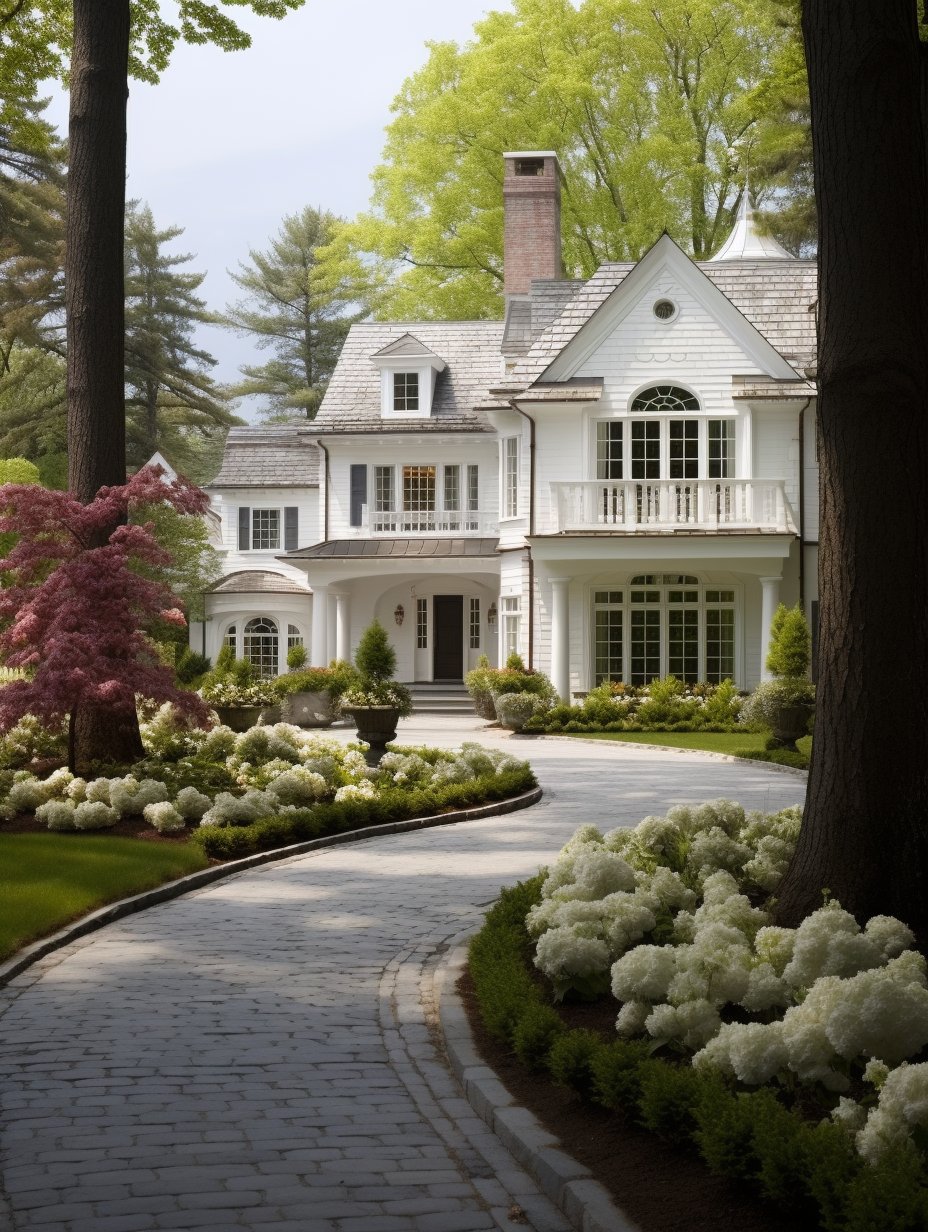
Older cottages and cottage-colony properties remain part of Truro’s housing story. These homes can offer character, simpler footprints, and a strong connection to the town’s seasonal history. They also deserve careful review.
The Housing Production Plan notes that older structures may have higher utility and maintenance costs because of lower energy efficiency or code compliance issues. That does not make them a poor choice, but it does mean you should look beyond the charm and understand the property’s practical demands.
Conversion rules can affect future plans
Truro specifically regulates the conversion of cottage or cabin colonies, motels, and hotels. The town plan notes that some seasonal conversions may require a recorded covenant that bars occupancy from December 1 through February 28, except for a management unit.
If a future owner later wants year-round conversion, condominium or homeowners association consent may also be required. For buyers and investors, that means cottages can offer flexibility, but not without some friction if your long-term plan involves changing occupancy or use.
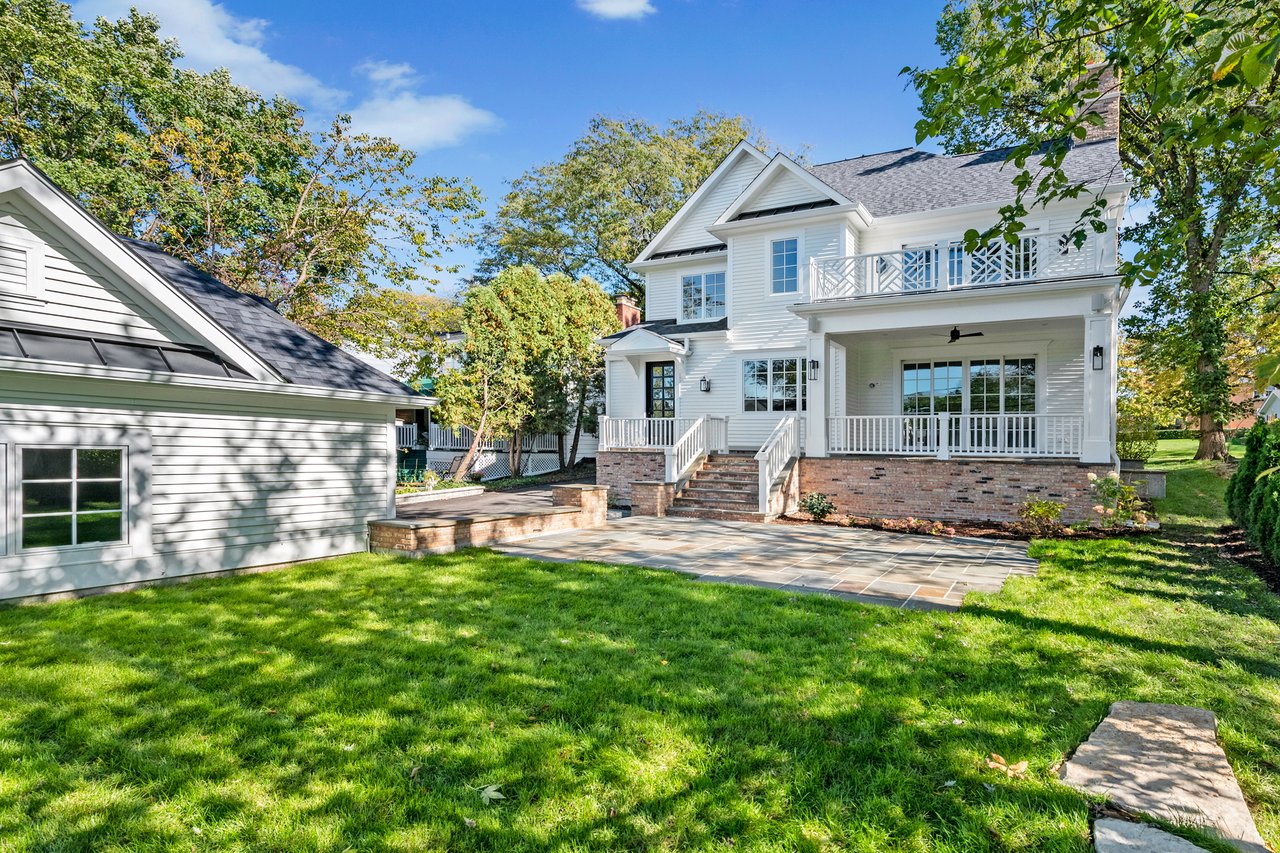
Contemporary single-family homes and privacy
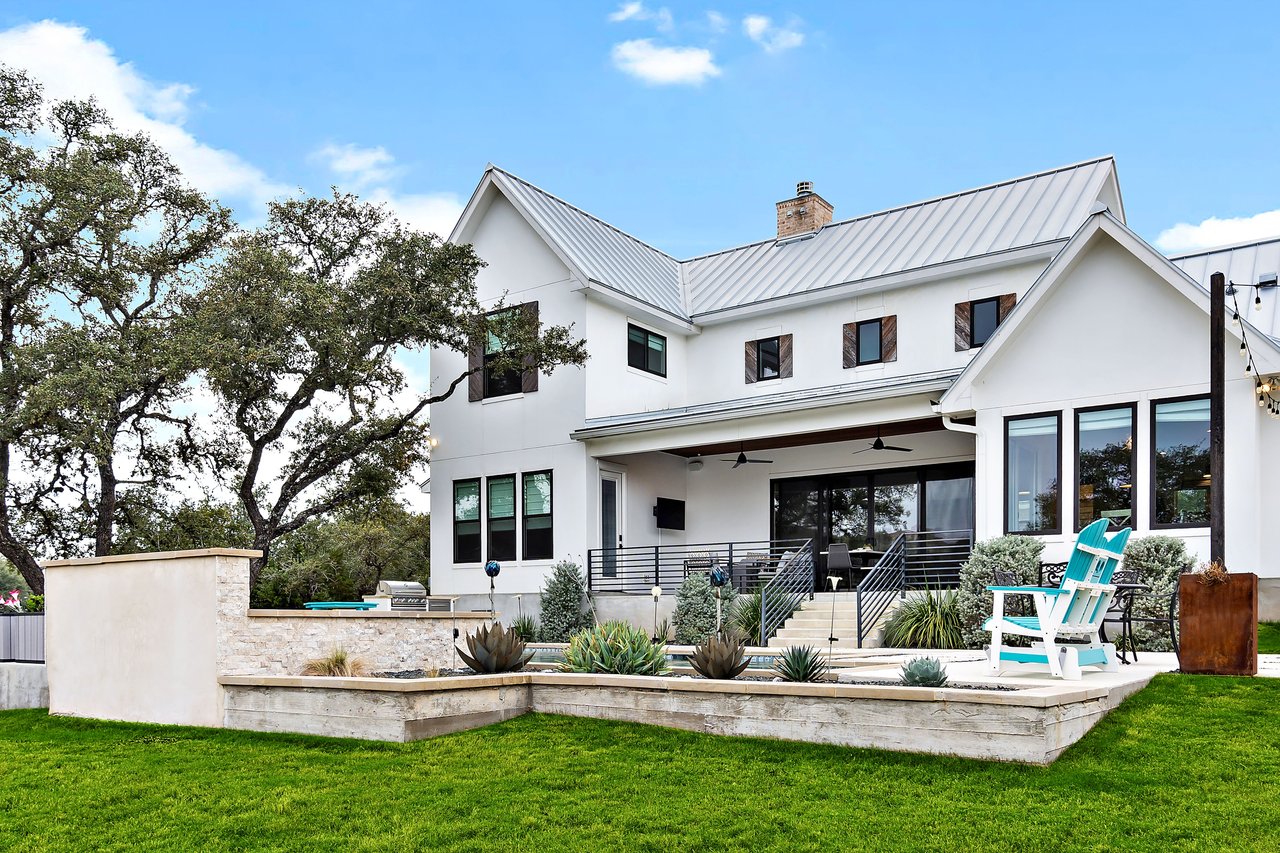
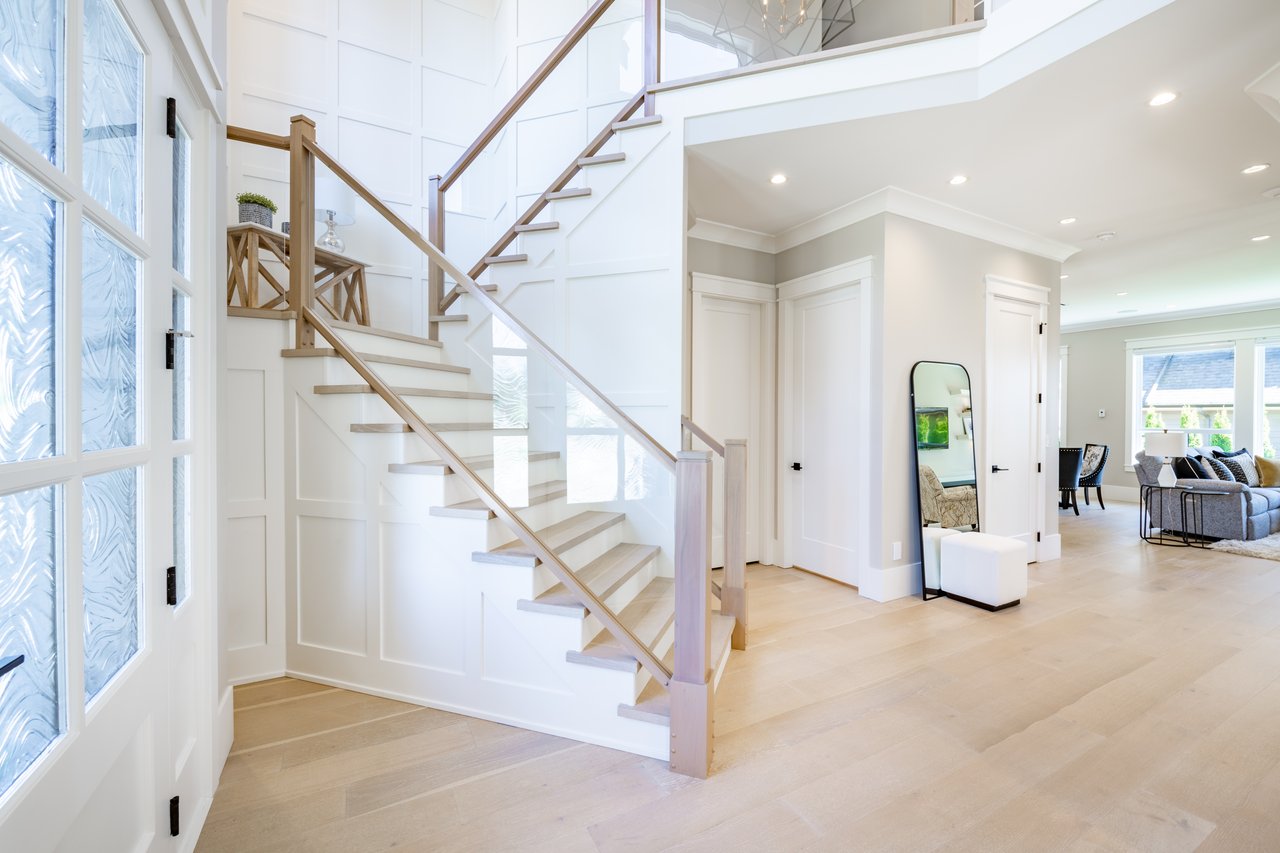
If you are looking for a newer or more updated property, Truro’s single-family market may be the best fit. The town’s rules and lot patterns tend to support detached homes with more breathing room than you would see in a denser village or condo market.
That can be a strong advantage if your priorities include privacy, natural surroundings, and a quieter ownership experience. At the same time, larger lots and tighter environmental constraints can make additions, redevelopment, or new construction more involved than buyers first expect.
ADUs add a small layer of flexibility
Truro’s bylaw allows one accessory dwelling unit per buildable lot to support year-round rental supply. That creates some added flexibility for owners who want a secondary living space, subject to local rules and property conditions.
Still, this is not a market defined by easy density. The overall pattern remains low-scale and highly regulated, which is important to understand if you are comparing Truro with more built-out Cape towns.
Condos in Truro are limited
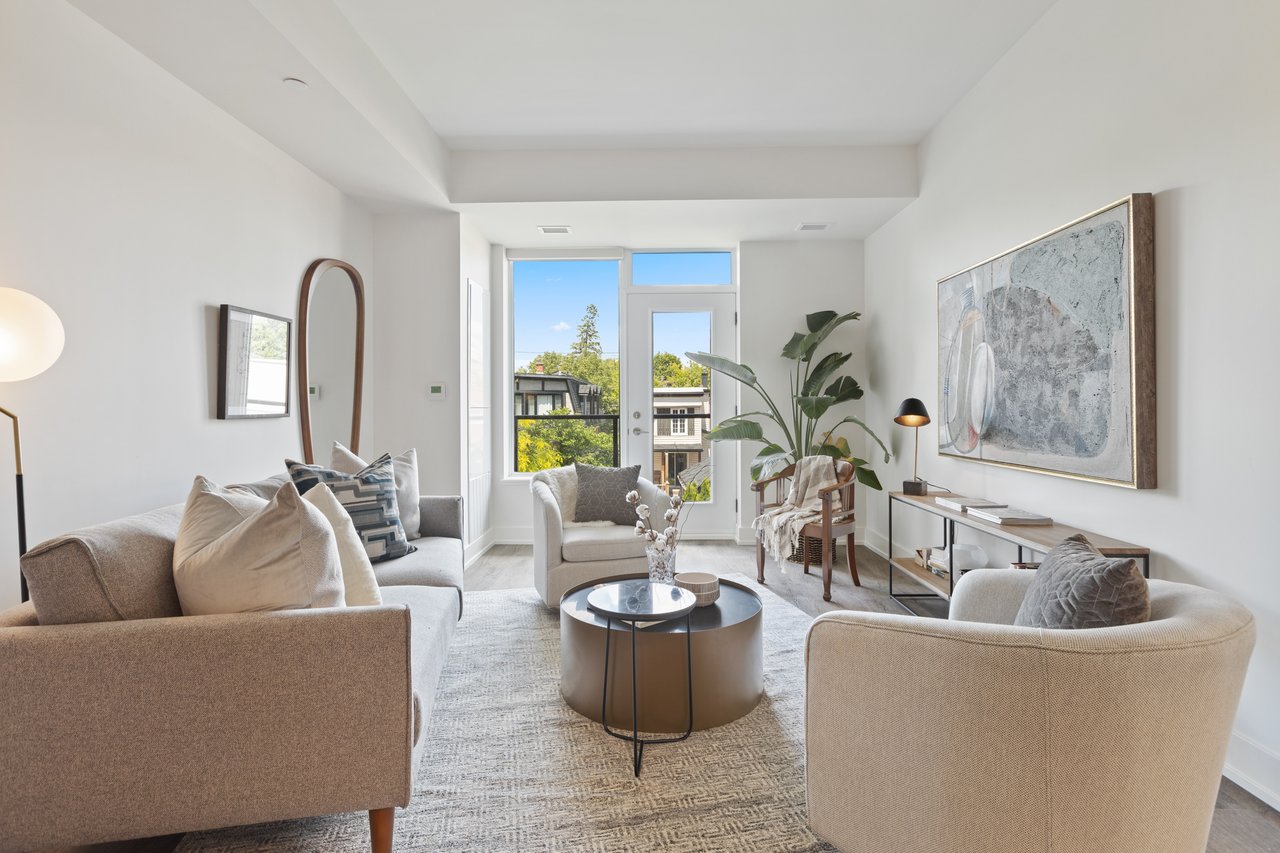
Truro does have condominium inventory, but it is a small slice of the market. The town’s plan counts 120 condos occupied year-round and another 431 condos that are not currently year-round.
That limited supply can make condos appealing to buyers who want a smaller footprint and shared upkeep. It can also mean fewer choices and a different set of tradeoffs than a detached home.
Shared ownership means shared decisions
For year-round conversions, the bylaw can require condominium or HOA consent. That matters because condo ownership may reduce some maintenance responsibility, but it also means you may have less unilateral control over changes, occupancy, or future use.
If you are a second-home buyer or someone who wants a simpler ownership model, a condo may still be worth a close look. The key is understanding the governing structure before you assume flexibility.
Land parcels offer customization, but also complexity
Buying land in Truro can be appealing if you want to create something tailored to your goals. In the right situation, a parcel may let you control layout, systems, and finishes from the ground up. But in Truro, buildability is never something to assume.
The town’s building guide makes clear that new construction typically requires a well driller and septic engineer, a percolation test, Board of Health review, wetlands review when applicable, and compliance with state building code, Truro zoning, and wetland rules. Truro is also a Stretch Code community, so new homes require HERS rater sign-off.
Not every parcel is truly buildable
The zoning bylaw says a parcel cannot be built upon if it was intentionally created as unbuildable or reserved as open space or park land. Dimensional requirements still apply, and the town plan notes that groundwater, sewage limits, environmental conditions, and regulation significantly constrain development.
That is why land in Truro should be evaluated with patience and precision. A parcel that looks promising on paper may still require extensive due diligence before it supports the home or project you have in mind.
What this means for buyers and investors
Truro is often strongest for buyers who value seclusion, natural surroundings, and a lower-density coastal setting. It can also appeal to second-home owners and investors who are comfortable navigating older housing stock, occupancy distinctions, and a more constrained development environment.
The town’s plan draws a sharp line between seasonal and year-round use in several pathways, and some arrangements prohibit rentals of less than 12 months. That makes intended use one of the most important questions you can answer before you buy.
Match the property type to your goals
When you are comparing Truro properties, it helps to think in terms of fit rather than just price point.
- Older cottages may suit buyers who value character and are ready for maintenance or use restrictions.
- Single-family homes may be best for privacy, space, and a traditional ownership structure.
- Condos may work for buyers who want shared upkeep and a smaller footprint.
- Land parcels may fit buyers seeking customization, as long as they are prepared for deeper diligence.
If you want more multifamily inventory or a busier center, the town plan suggests comparing Provincetown first. If you want Truro’s quieter rhythm and natural setting, the housing stock here may be exactly why you are looking.
Why housing type matters when you buy or sell
In Truro, housing type is not just a label. It affects how a property lives, what it may cost to maintain, how flexible future use may be, and how buyers are likely to view it.
For sellers, that means positioning matters. For buyers, it means property research matters just as much as aesthetics.
Whether you are evaluating a classic cottage, a detached home, a condo, or a land parcel, the right guidance can help you connect the town’s rules and housing patterns to your actual goals. If you want thoughtful, local insight into Truro’s housing mix and what it means for your next move, start a conversation with The Loveland Group.
FAQs
What types of homes are most common in Truro?
- Truro is primarily a single-family home market, with about 90% of its housing stock made up of single-family properties according to the town’s 2025 Housing Production Plan.
Are condos common in Truro real estate?
- Condos are a limited part of the market. The town plan counts 120 year-round occupied condos and 431 other condos that are not currently year-round.
What should you know about older cottages in Truro?
- Older cottages can offer character, but the town plan notes they may come with higher utility and maintenance costs and may face rules that affect seasonal or year-round conversion.
Is buying land in Truro straightforward?
- No. The town’s building guide says new construction often requires septic, well, health, zoning, and possible wetlands review, and zoning rules make clear that not every parcel is buildable.
Why does Truro feel less dense than other Cape towns?
- Truro’s zoning requires large lots and frontage, much of the land area is protected open space, and the town does not have a distinct center, all of which support a lower-density housing pattern.
Is Truro a good fit for second-home buyers?
- It can be, especially if you value privacy, natural surroundings, and a quieter seasonal market, but intended use matters because some occupancy and rental pathways distinguish between seasonal and year-round use.