Ready to trade extra rooms and constant upkeep for a more walkable, city-centered lifestyle? If you are thinking about downsizing to a condo in Boston’s South End, you are likely balancing excitement with a few practical questions about space, parking, monthly costs, and what day-to-day life will really feel like. This guide will help you set clear expectations so you can decide whether a South End condo fits the way you want to live. Let’s dive in.
Why South End Appeals to Downsizers
The South End offers a very different rhythm from a larger suburban home. Boston describes the neighborhood as a landmark district just minutes from Downtown and Back Bay, with nearly 30 parks, a strong arts scene, and well-known dining corridors along Tremont Street, Columbus Avenue, Massachusetts Avenue, and Shawmut Avenue.
That mix of location and convenience matters when you downsize. In many cases, you are not just giving up square footage. You are choosing easier access to restaurants, parks, boutiques, and daily errands that can happen closer to home.
The neighborhood also has demographic traits that line up well with this kind of move. According to the 2025 neighborhood profile, the South End has 17,811 households, and 46.6% are one-person households. The same profile shows that 31.1% of households include adults age 60 and older, which suggests the area already works for many residents in a later life stage.
Expect Smaller, Smarter Space
One of the biggest adjustments is simple: most South End homes are smaller than a detached single-family property. The 2025 profile shows that 47.3% of housing units are studios or one-bedroom homes, 36.8% are two-bedroom homes, and only 15.9% are three bedrooms or larger.
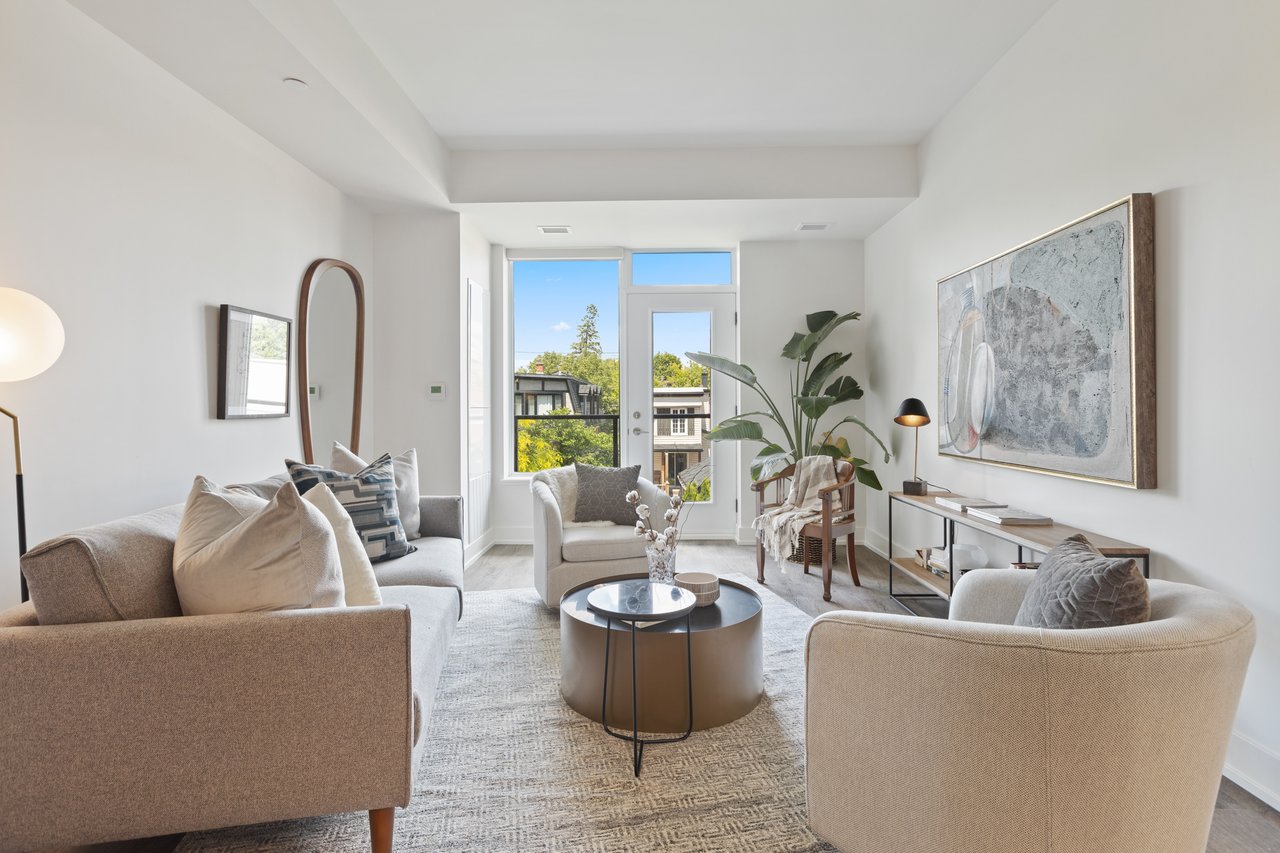
That does not mean the move cannot feel like an upgrade. It does mean you will need to be more intentional about how you live in the space. Furniture scale, storage habits, and the need for a guest room or home office all become more important.
If you work from home, even part of the time, layout matters as much as square footage. The neighborhood profile reports that 23.1% of resident workers primarily work from home, which makes it worth thinking carefully about whether you need a second bedroom, a flexible den, or simply a living area that can support a desk without feeling crowded.
Historic Buildings Can Mean Unique Layouts
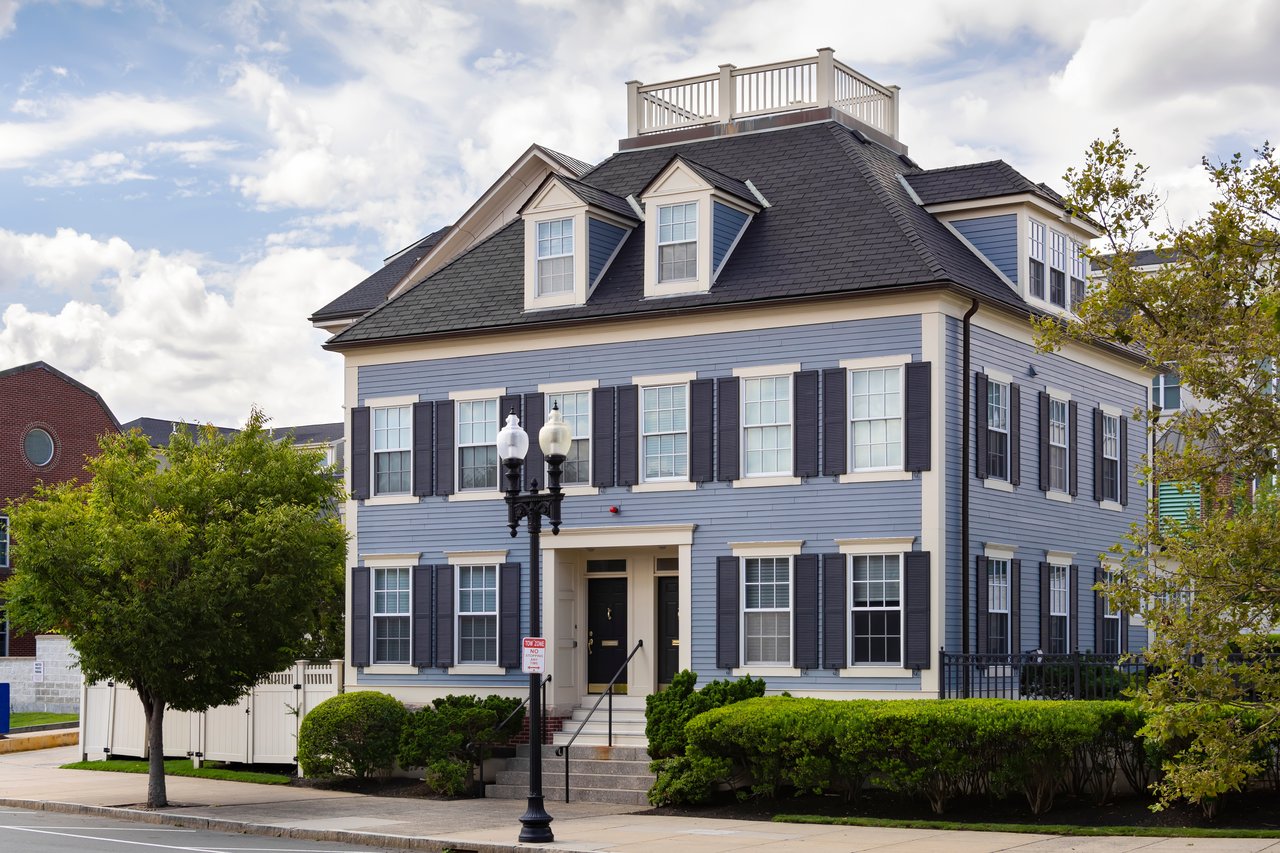
The South End is known for its historic housing stock. Boston planning materials describe it as the largest Victorian residential district in the United States, and the neighborhood’s building pattern includes rowhouses and historic structures that often differ from one another.
For you as a buyer, that usually means floor plans may be less standardized than what you would see in newer construction. A condo with the same bedroom count as another unit may live very differently depending on hallway width, ceiling lines, closet placement, and room flow.
Measure Before You Commit
When downsizing, careful measuring becomes essential. You will want to know whether your current sofa fits, whether your dining table makes sense, and where seasonal items, luggage, or hobby supplies will actually go.
A smart condo search often starts with practical questions like these:
- How much closet space is there?
- Is there private storage included?
- Is there room for a desk or reading nook?
- Will your current furniture fit without overwhelming the rooms?
- Do you really need a second bedroom?
Parking Usually Changes the Most
For many downsizers, parking and transportation are the biggest lifestyle shift. If you are moving from a home with a driveway or garage, it is important to reset expectations early.
The South End has a lower rate of car ownership than many suburban areas. In 2025, 37.6% of households had no vehicle at all. Among resident workers, 29.6% walked to work, 17.4% used public transit, and 24.1% drove or carpooled.
This helps explain why the neighborhood often works best for people who want to rely less on a car. If your ideal routine includes walking to coffee, dinner, parks, or transit, that trade can feel very worthwhile.
Understand Resident Parking Rules
Boston’s resident parking program gives residents preferential access to on-street parking on posted streets, and the permit sticker is free. The city also notes that permits are renewed automatically after neighborhood-wide audits on an approximately two-year cycle.
At the same time, buyers should not assume parking options will expand later. The city says it is not currently accepting petitions for new resident parking permit locations, so it is important to evaluate the parking situation as it exists today.
Ask Direct Parking Questions
Before you buy, get specific. A condo may have deeded parking, leased parking, or no off-street parking at all, and each option affects both convenience and monthly cost.
Here are a few useful questions to ask:
- Is parking deeded, leased, or not included?
- If there is no parking, what is the realistic street-parking setup?
- Is guest parking available nearby?
- How often do you expect to use a car in your daily routine?
Condo Fees Are Part of the Real Cost
When you move from a single-family home to a condo, your monthly housing cost changes shape. Instead of handling every exterior and shared expense on your own, you contribute through condo fees.
Massachusetts condo law requires common expenses to be assessed at least annually based on an adopted budget. Associations may also assess costs tied to limited common areas, utilities, fees, late charges, and fines in appropriate situations.
In practical terms, that means your monthly payment is not just about the mortgage. You also need to understand the condo fee, what it covers, and whether the building appears well prepared for future repairs.
Special Assessments Are Worth Reviewing
A lower condo fee can look attractive at first glance, but it does not always tell the full story. If a building has major repair needs or limited reserve funding, owners may face special assessments.
That is why condo documents matter so much during a downsizing search. The right fit is not just a beautiful unit. It is also a building whose finances, maintenance approach, and rules support the lifestyle you want.
Historic District Review Can Affect Renovation Plans
If you are buying with plans to personalize the property, the South End’s historic status is important to understand. In the South End Landmark District, exterior work on front facades, visible rooftops, and side or rear elevations facing a public way requires review and approval from the South End Landmark District Commission before work begins.
This does not mean renovations are off the table. It does mean exterior changes may involve added review, timing, and design considerations. If you are hoping to adjust windows, roof elements, or visible exterior details, you will want to factor that into your planning.
Interior Goals Still Need Building Review
Even if your renovation focus is mostly inside the unit, building rules still matter. Condo associations may have their own approval processes, contractor requirements, or work-hour restrictions.
For a downsizer, this becomes especially relevant when you want a home that feels turnkey. If your goal is a simpler next chapter, the best unit may be the one that already fits your needs without major changes.
Daily Life May Feel Easier
The best part of downsizing is not always the condo itself. Often, it is the lifestyle around it.
Boston highlights the South End’s nearly 30 parks, SoWa Open Markets, dining and shopping corridors, and access to nearby destinations like Downtown and Back Bay. For many buyers, that convenience replaces the need for excess space.
A smaller home can feel more comfortable when more of your life happens outside your front door. If you want less maintenance and more access to city amenities, the South End can offer a strong trade-off.
Questions to Prioritize Before You Buy
Downsizing goes more smoothly when you focus on the details that shape daily life. In the South End, these are often more important than raw square footage.
Use this checklist as a starting point:
- How much private storage comes with the unit?
- Is there deeded or leased parking?
- Does the building have an elevator?
- What do the condo documents say about fees and reserves?
- Are there rules about pets, move-ins, or renovation approvals?
- Will the layout support guests, remote work, or hobbies?
- Does the surrounding block fit your walking and commuting habits?
What a Successful Downsize Looks Like
A successful move to a South End condo is usually less about finding the smallest possible home and more about finding the right balance. You want a space that simplifies your life without creating daily friction.
That might mean choosing a well-laid-out two-bedroom over a tighter one-bedroom. It might mean paying more for deeded parking, elevator access, or better storage if those features make the home easier to enjoy long term.
When you evaluate South End condos through that lens, downsizing becomes less about giving something up and more about gaining a lifestyle that fits your next chapter.
If you are thinking about downsizing in the South End, The Loveland Group can help you evaluate layout, building details, and neighborhood fit with a thoughtful, high-touch approach. Start a conversation and get a personalized neighborhood consultation.
FAQs
What should you expect when downsizing to a South End condo?
- You should expect a smaller and more intentional living space, a greater focus on storage and layout, and a lifestyle that often relies more on walking, transit, and nearby amenities.
How common are smaller condo layouts in Boston’s South End?
- Very common. The 2025 neighborhood profile reports that 47.3% of housing units are studios or one-bedroom homes, while 36.8% are two-bedroom homes.
How does parking work for South End condo owners?
- Parking varies by property. Some condos include deeded or leased parking, while others rely on street parking. Boston’s resident parking permit program offers preferential access on posted streets.
What costs should you review before buying a South End condo?
- You should review the mortgage payment, monthly condo fee, what the fee covers, and whether the association may need future special assessments for repairs or reserves.
What renovation rules apply in the South End Landmark District?
- Exterior work on front facades, visible rooftops, and side or rear elevations facing a public way requires review and approval from the South End Landmark District Commission before work begins.
Why do many downsizers choose the South End in Boston?
- Many buyers are drawn to the South End for its central location, historic character, parks, restaurants, arts scene, and the convenience of a walkable urban lifestyle.