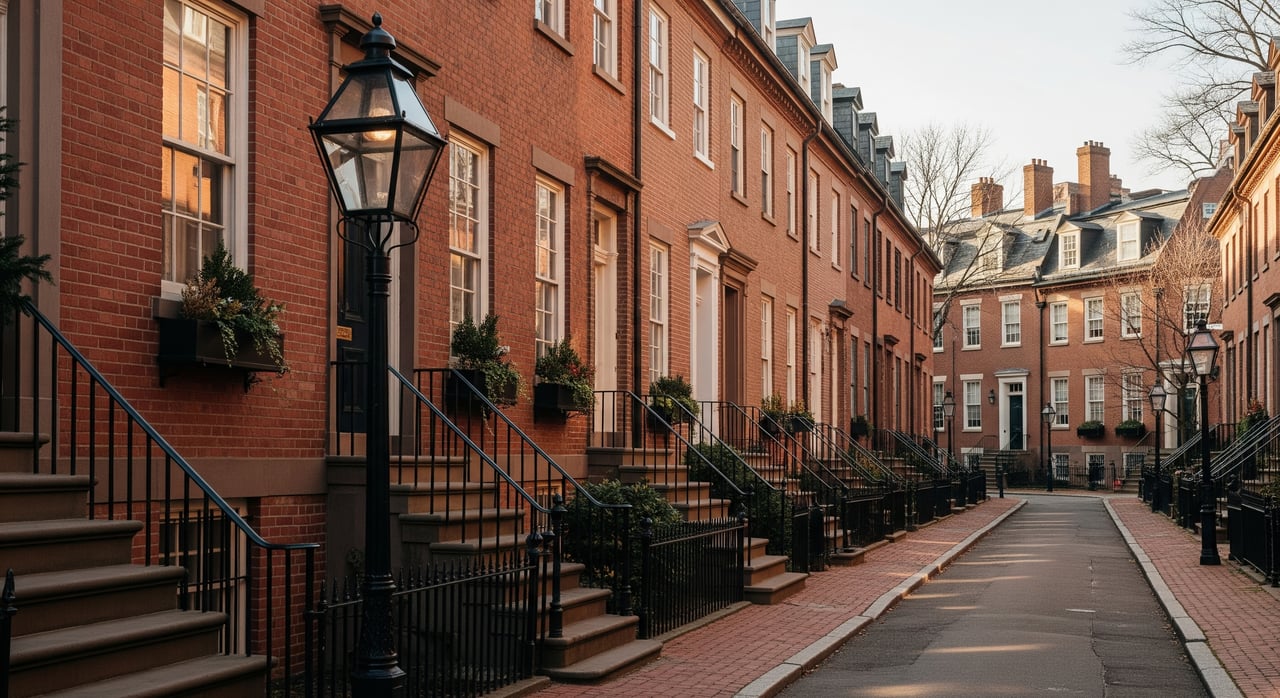
Thinking about living without a car in Beacon Hill? You’re not alone. With brick-lined streets, pocket parks, and daily essentials close at hand, the neighborhood makes it easy to walk, ride, or hop on the T. In this guide, you’ll learn how residents get around, where to find groceries and services, what to know about parking and permits, and how deliveries and moving work in this historic area. Let’s dive in.
Is car-free realistic in Beacon Hill?
Beacon Hill is one of Boston’s most walkable neighborhoods. Short blocks, compact streets, and a dense mix of shops and services mean many errands can be done on foot. According to Walk Score’s Beacon Hill overview, the area ranks among Boston’s most walkable places.
Car-free living tends to fit if your weekdays center around downtown, the nearby hospitals, or universities. Young professionals, healthcare staff, and empty-nesters often choose Beacon Hill for its convenience over in-building parking. If your routine involves frequent suburb-to-suburb commutes or regular long drives, keeping a car may still make sense.
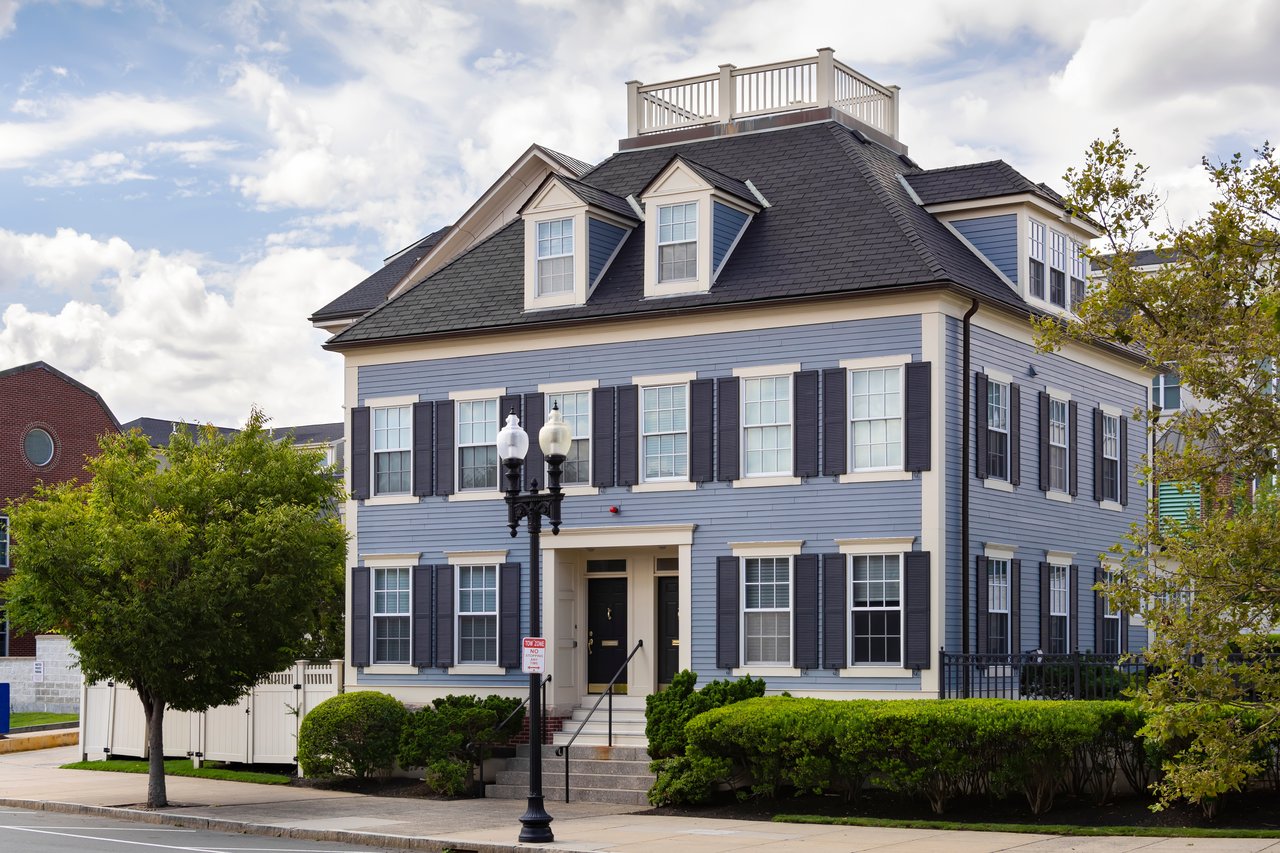
Historic charm brings practical trade-offs. Many buildings are 19th-century brownstones with stairs, narrow entries, and limited elevators. That affects moving days, furniture deliveries, and accessibility. If mobility is a concern, plan to verify elevator access and the number of steps to your unit.
Transit and easy ways to get around
Subway and key stations
You have multiple MBTA stations within a reasonable walk. The Charles/MGH station sits on the Green Line at the base of the hill. Park Street connects the Red and Green lines at Boston Common, while Government Center links the Green and Blue lines. From these hubs, you can reach downtown corridors, Cambridge, and Logan connections with transfers.
For specific routes and timing, check the MBTA’s trip planner and station pages before you commit to a building. Peak and off-peak schedules vary by line and season.
Buses and surface transit
Several bus routes run along nearby corridors such as Cambridge Street and Beacon Street. Service patterns change over time. If a bus is part of your commute, review current stops and schedules for your exact address using the MBTA trip tools.
Biking and Bluebikes
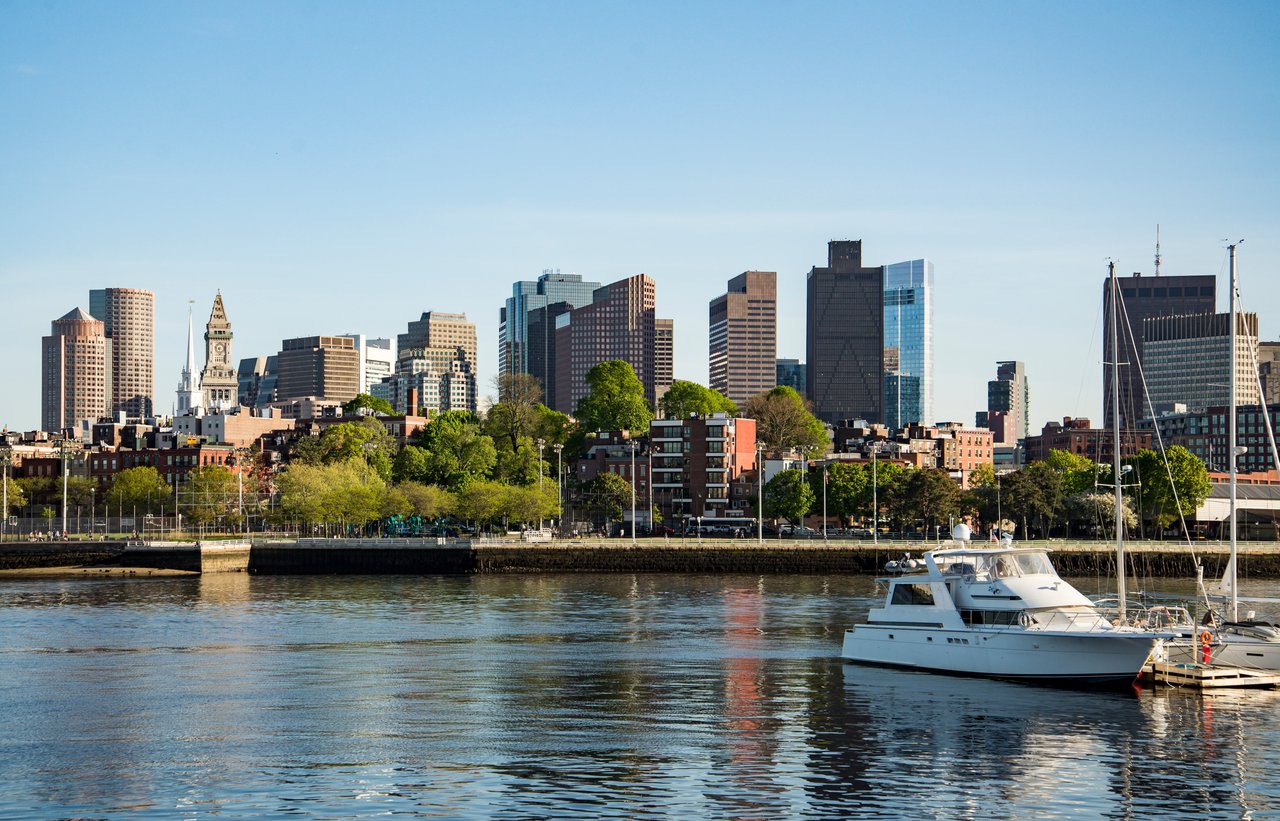
Beacon Hill connects to the Charles River paths, which are great for scenic rides and quick fitness trips. Docked bike-share stations sit near the Common and the river, making short rides simple. Explore locations on the Bluebikes station map. Keep in mind that bike storage varies by building, so confirm indoor options or nearby racks.
Carshare, ride-hailing, and taxis
You will find carshare vehicles in central Boston for errands or weekend trips. Browse nearby pods on the Zipcar Boston page. Ride-hailing services like Uber and Lyft are common, and taxis are readily available in adjacent downtown areas.
Walking as your default
Most daily errands can be done on foot. Cafes, pharmacies, small markets, salons, and pet services cluster on Charles Street and along Cambridge Street. Plan your routes by time of day and weather and consider a small utility cart for heavier grocery runs.
Accessibility notes
Not every station is fully accessible, and many brownstones have stairs. If elevator access or step-free travel is important, review station details on the MBTA accessibility page and verify building features before you buy.
Groceries, services, and everyday needs
Beacon Hill offers small markets, specialty food stores, delis, and plenty of dining within a short walk. For full-service supermarkets or bulk items, residents often take a quick transit, bike, or rideshare trip to adjacent neighborhoods like Back Bay, the West End, or parts of Cambridge.
Pharmacies, banking, dry cleaning, and personal services are scattered throughout the neighborhood, with a strong cluster on Charles Street. Healthcare access is a standout benefit here. The campus of Massachusetts General Hospital sits next to Beacon Hill, offering walkable access to emergency care and a wide range of specialists.
Grocery delivery through major apps and local stores operates throughout central Boston. Delivery windows and building access vary, so it helps to confirm your building’s package and concierge setup before you commit.
Parking and permits if you keep a car
On-street parking in Beacon Hill is very limited. Portions of the neighborhood fall under the City of Boston’s Resident Parking Permit program, while other areas have metered or time-limited spaces. Review current eligibility and rules on the City’s Resident Parking Permit page.
If you need guaranteed parking, consider a commercial garage. Monthly rates in central Boston tend to be higher than in the suburbs and can change with demand. Some condo buildings offer deeded or rented spaces, but many do not. Always verify whether a unit includes parking, if spaces are waitlisted, and what visitor options exist.
Guest parking usually means metered spots or paid garages. Some resident zones allow short-term visitor permits. Policies change, so check the City’s rules and your building’s guest guidance before hosting.
Moving and delivery logistics
Beacon Hill’s narrow streets and historic curbs make moving days a bit more technical. Many movers ask you to reserve a curb space in advance. The City issues permits for temporary no-parking and moving vehicles; plan ahead through the City’s moving truck permits page.
Before you schedule large furniture or appliance deliveries, confirm your building’s requirements. Ask about elevator access, stair dimensions, insurance certificates, and any restrictions on delivery hours. Some buildings have package rooms or doormen. Smaller walk-up buildings may leave parcels at the door or require scheduled drop-offs. Locker pickup at nearby retail locations is a popular backup.
Seasonal impacts and enforcement
Street cleaning and snow removal can temporarily restrict parking and reduce curb access. After storms, snowbanks narrow streets and complicate deliveries for several days. Meter and permit rules are enforced, and towing is possible for violations. Review posted signs closely, especially during winter months.
Is car-free living right for you? A quick checklist
- Daily routes: Map where you go most often and time the walk or T ride from your exact address.
- Transit access: Visit the nearest MBTA stations at different times of day to test commute reliability.
- Groceries and deliveries: Confirm nearby markets and your building’s package and grocery delivery handling.
- Parking needs: Verify whether the condo includes a space. If not, price out nearby garages and review Resident Parking Permit rules for occasional use.
- Building logistics: Ask about elevator access, stair count, delivery policies, package rooms, and bike storage.
- Accessibility: Confirm step-free routes and station accessibility if mobility is a priority.
- Moving and renovations: Plan for truck permits, curb reservations, and any building restrictions on contractors or delivery windows.
- Budget: Compare the cost of car ownership to a mix of transit, Bluebikes, carshare, and ride-hailing for your lifestyle.
Work with local advisors who know Beacon Hill
Choosing the right Beacon Hill condo is about more than price per square foot. The building’s logistics, your daily routes, and realistic parking options all affect your quality of life. If you want help matching a home to a car-free or car-light routine, we can map your routes, confirm building policies, and connect you to trusted movers and garage operators through our vendor network. Start a conversation with The Loveland Group for a personalized neighborhood consultation.
FAQs
Is a car necessary to live in Beacon Hill?
- For many residents who work or socialize downtown and use the MBTA, carshare, or ride-hailing, a car is optional. It becomes more useful if you commute to car-dependent suburbs or take frequent long drives.
What MBTA stations are closest to Beacon Hill?
- Charles/MGH on the Green Line is adjacent, while Park Street and Government Center are nearby hubs that connect to the Red, Green, and Blue lines with transfer options to other corridors.
How reliable is grocery and package delivery in Beacon Hill?
- Delivery services operate widely in central Boston, but reliability depends on your building’s access, package room or concierge, and delivery windows for your address.
Can my guests park overnight in Beacon Hill?
- Options are limited. Most guests use metered spots or paid garages. Some resident zones allow short-term visitor permits, so check current City rules and your building’s policy.
What should I plan for on moving day?
- Reserve curb space through a City moving permit, confirm building access and elevator dimensions, and hire movers familiar with narrow historic streets to avoid delays.